We've called Salonga home for 30 years.
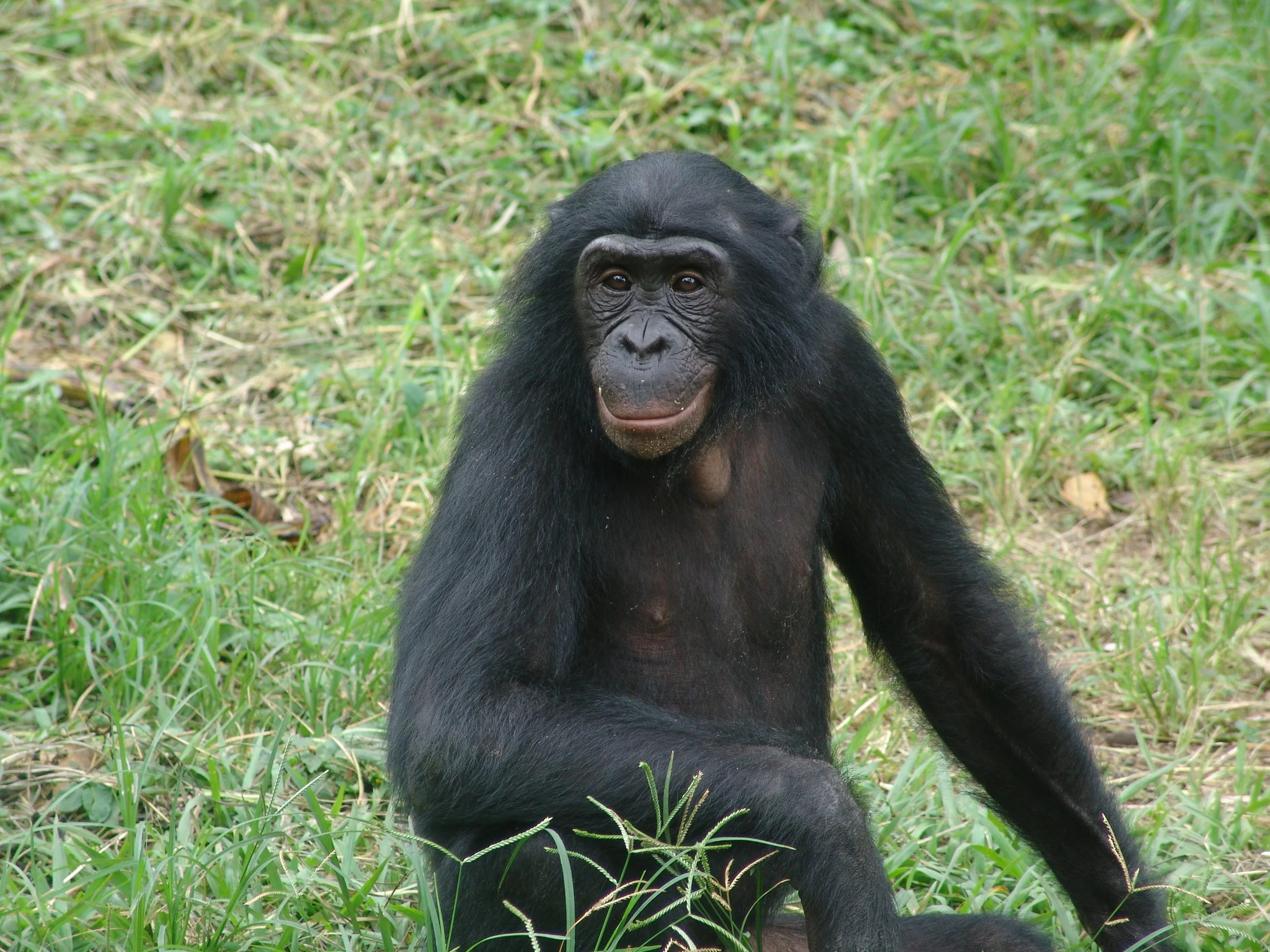
So have 60% of the world's bonobos.

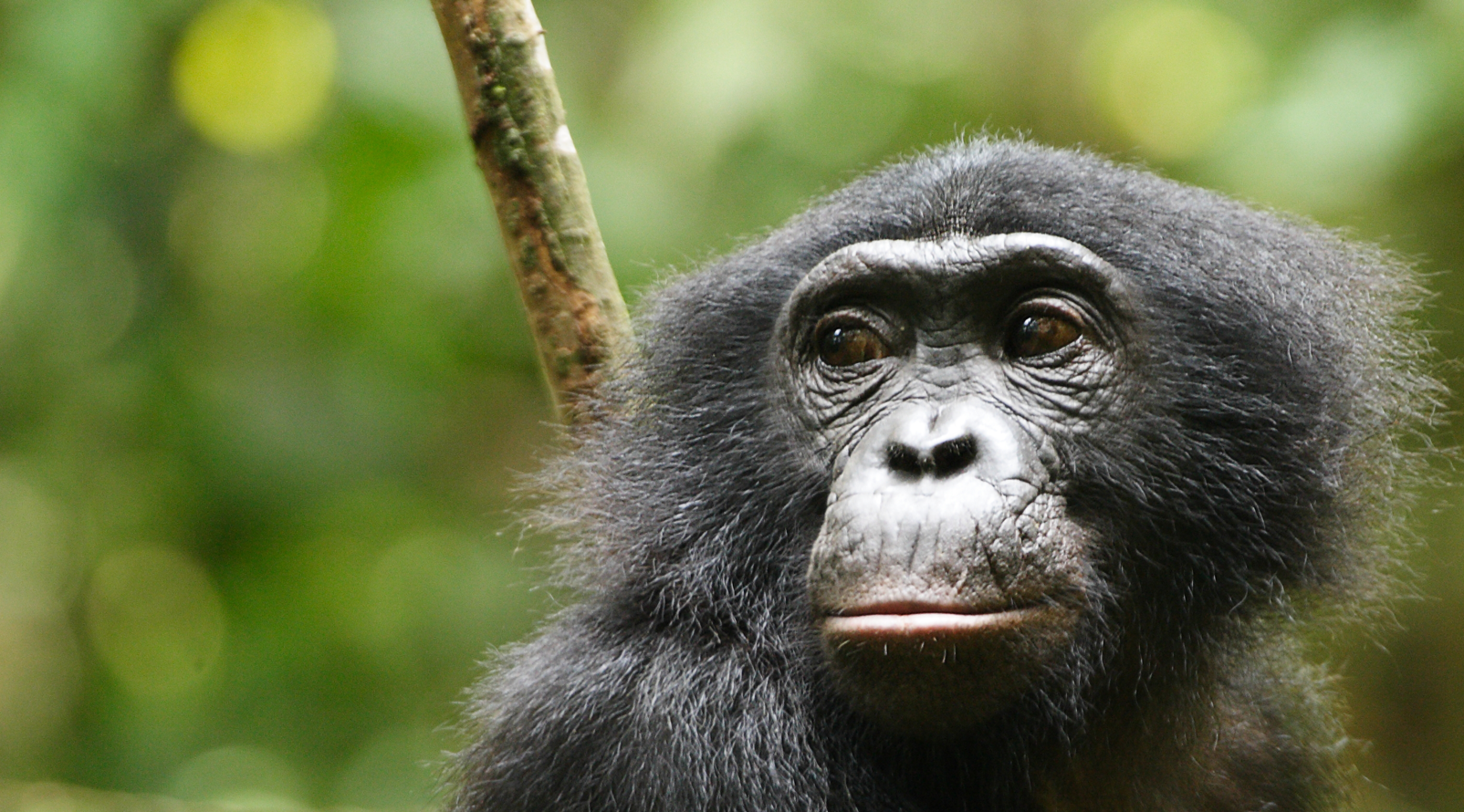
Salonga National Park in the Congo is Africa’s largest rainforest park and home to an estimated 60% of the world's wild bonobos. We protect them - and the forest elephants, leopards, and forests that surround them - through rigorous population surveys, field research and a long-term presence at our Etate Research Station.
Salonga is a remote and largely inaccessible park. A steady, ongoing presence is hard to replace - which makes our work matter more than ever.
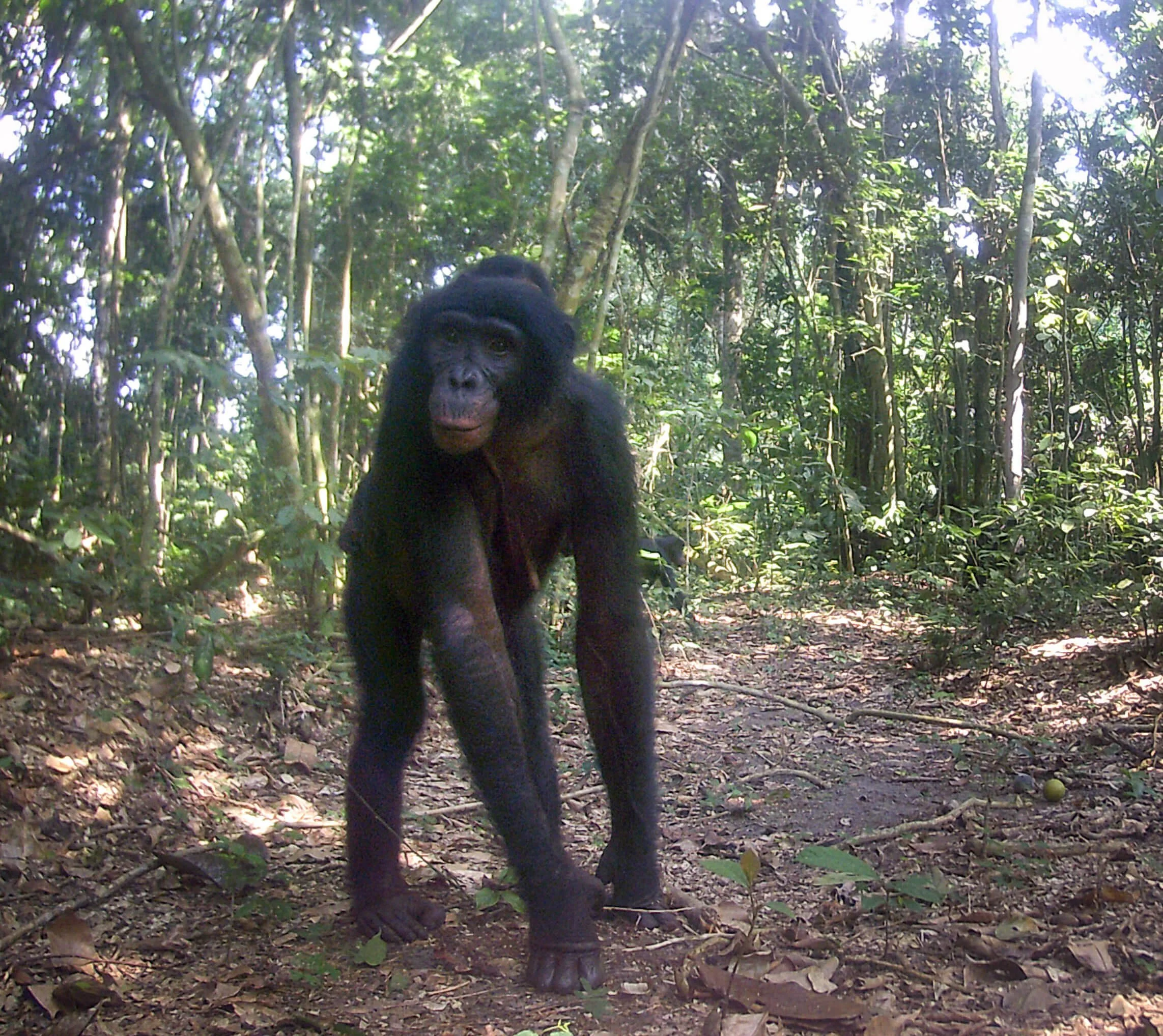
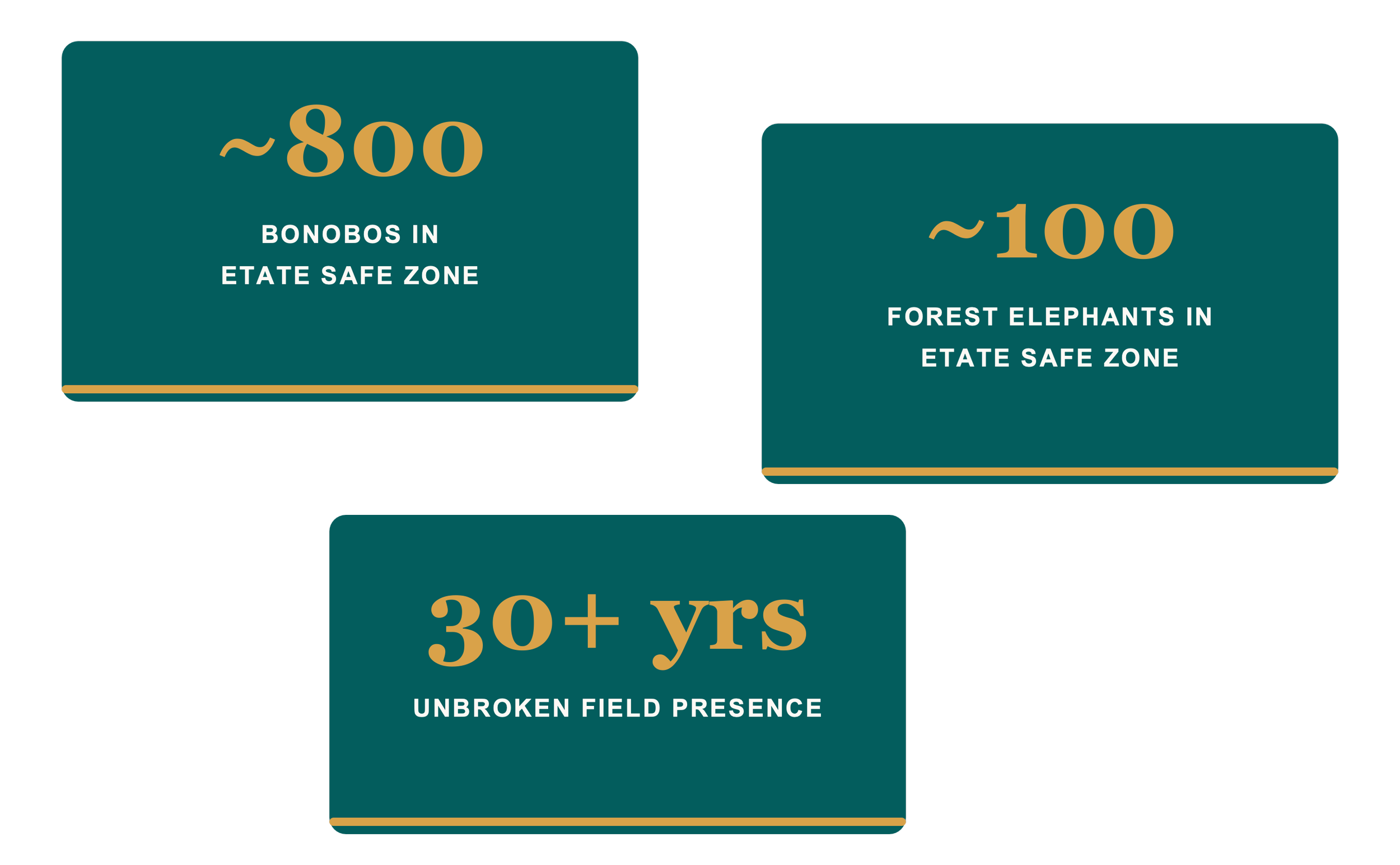
Bonobos in Salonga
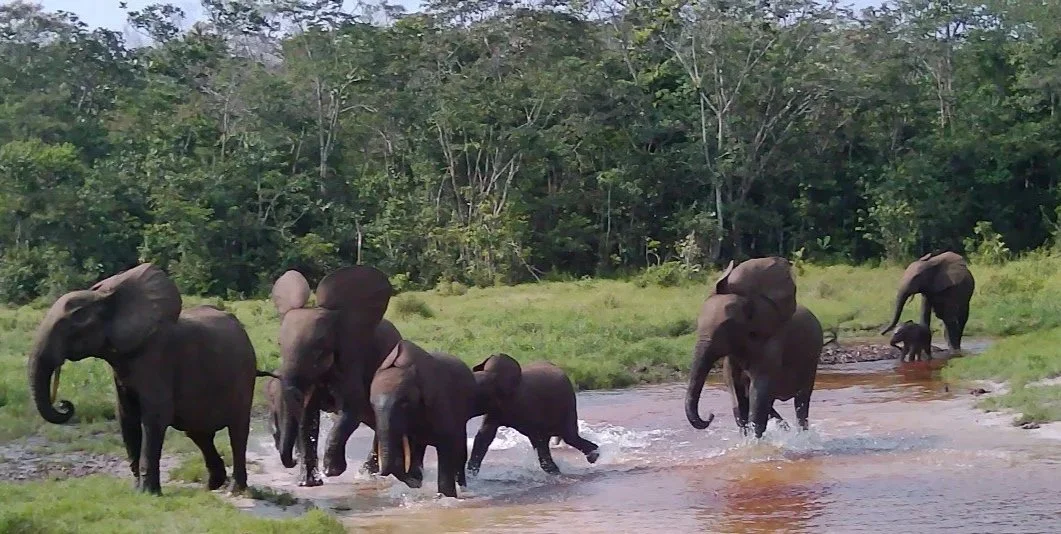
Forest elephants in Salonga
Unbroken field presence
Metric tons of carbon stored

THE PROBLEM
When conservation stops, poaching fills the void. We have the data to prove it.
Bonobos are endangered. Found only in the Democratic Republic of Congo, they are losing ground to illegal hunting and habitat loss. The vast Salonga National Park is their best hope. But only if someone is watching.
Poachers don’t wait.
Where animals can be reached without consequence, poachers will come.
SCI works in partnership with park managers to stand between thriving wildlife populations and a forest emptied by poaching.
Bonobos and elephants in trouble.
Bonobos only live in the Democratic Republic of Congo, and Salonga is the bonobos largest expanse of protected habitat. Without it, bonobos could could be lost forever.
So could the African Forest Elephant in the DRC which has lost about 90% of its forest elephants to the ivory trade.
When Salonga disappears, we all suffer.
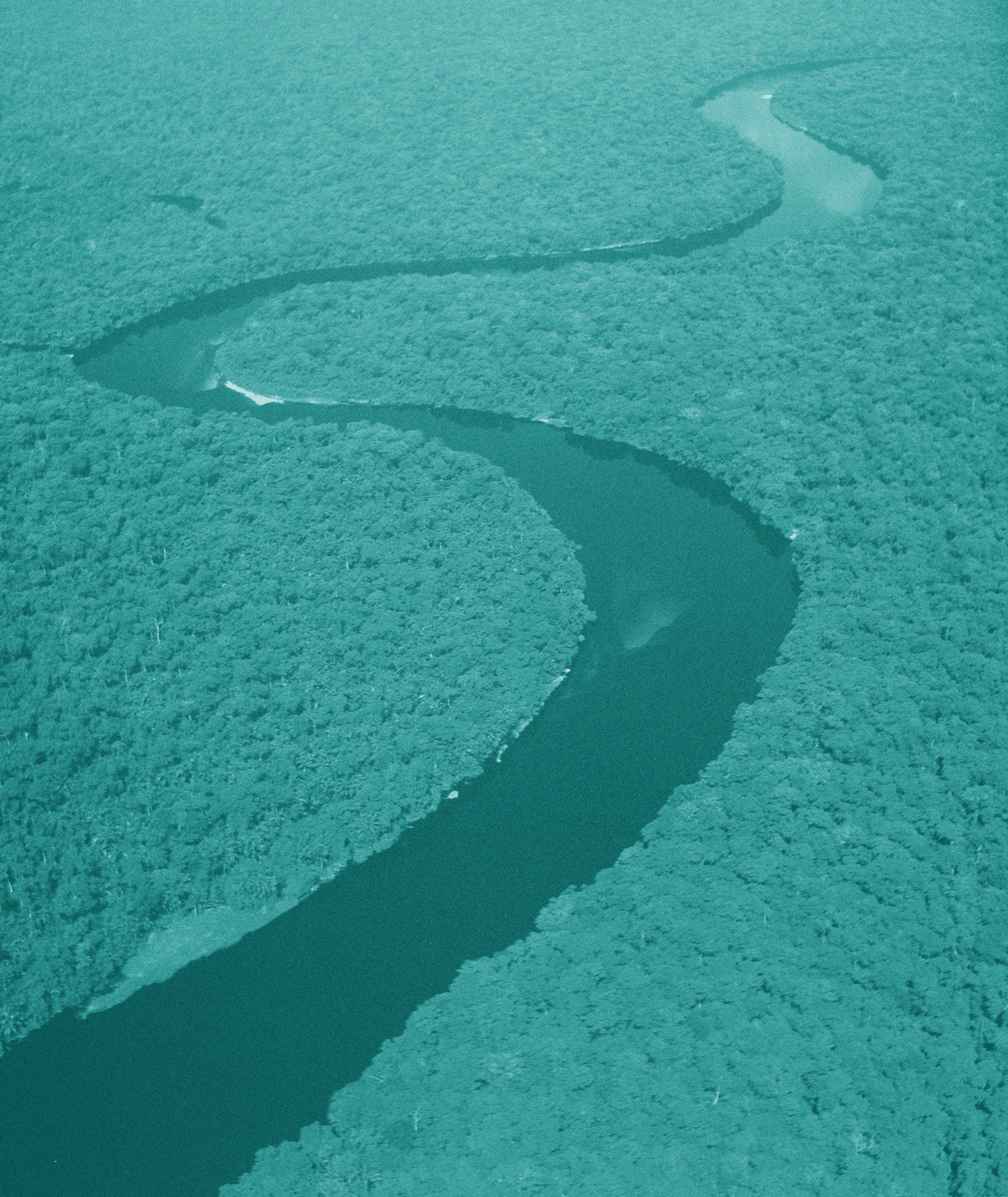
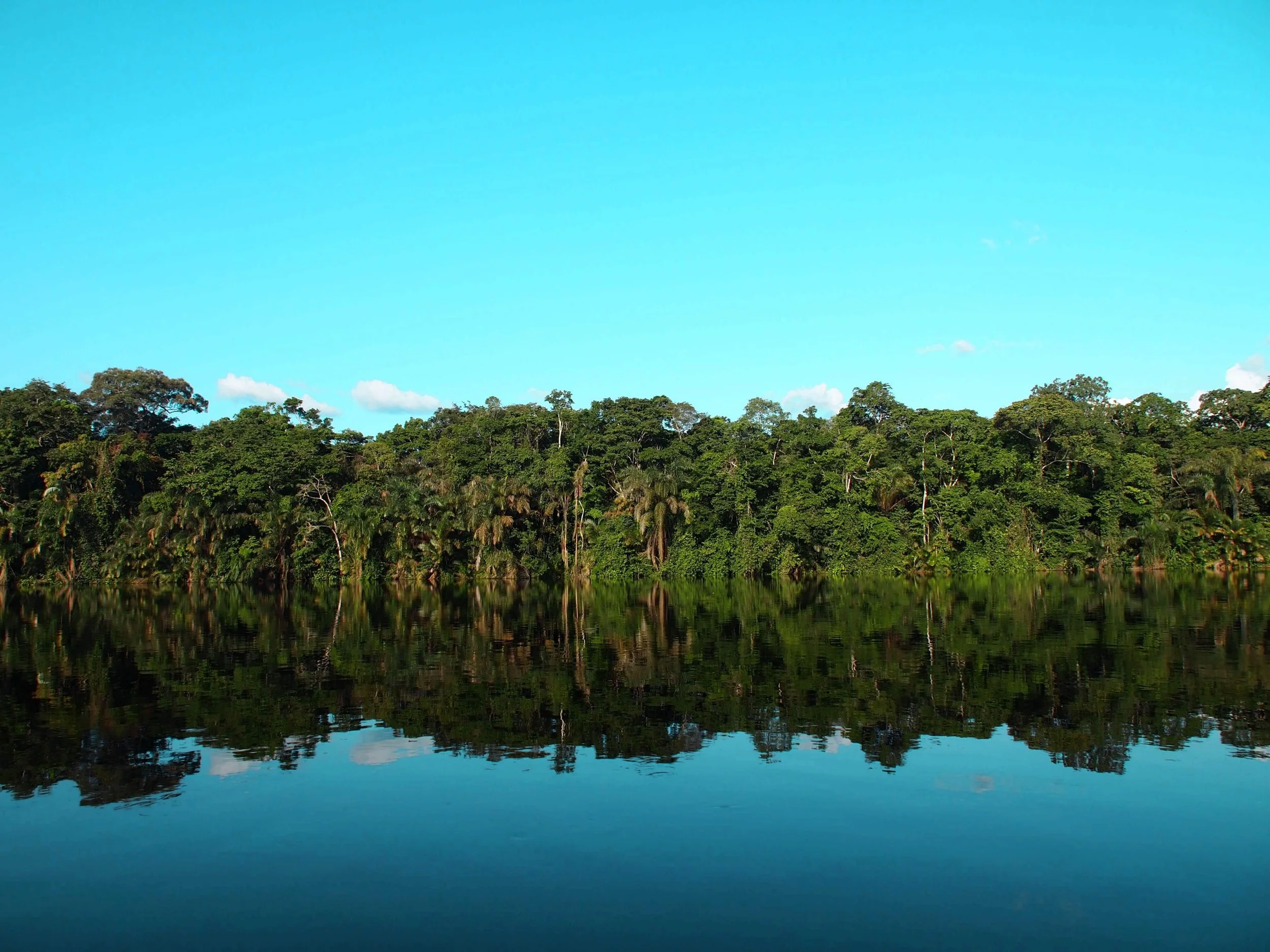
Salonga is one of the world’s largest parks and one of Earth’s few remaining intact rainforest ecosystems.
If Salonga's ecosystem unravels, the loss would extend far beyond the park boundaries to harm rivers, communities, and the climate we all share.

WHAT YOUR SUPPORT DOES
You can protect bonobos, forest elephants, and all of Salonga’s natural treasures.


Influence effective conservation
SCI’s wildlife monitoring acts as an early warning system in a dense rainforest park over 8.9 million acres. It’s a physically demanding and logistically challenging task. Our surveys identify animal populations and poaching hotspots and measure the success or failures of interventions.


Preserve a safe zone at Etate Research Station
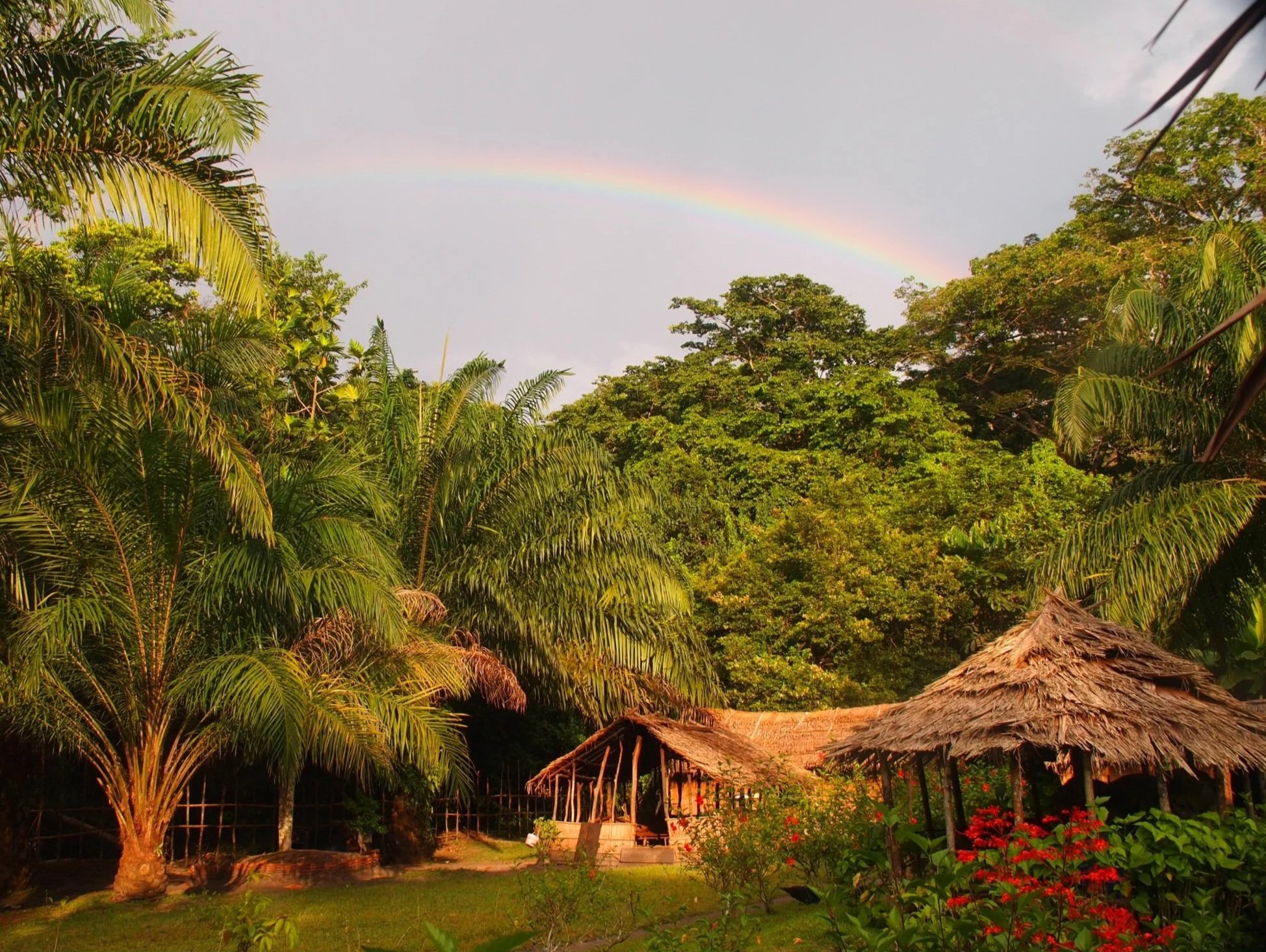
Etate Research Station is SCI’s home base and has protected a 258,000-acre safe zone for nearly 30 yrs. It’s home to one of the highest bonobo densities in the park, a growing elephant population, and an array of wildlife that thrives precisely because we are there. Learn more about Etate.
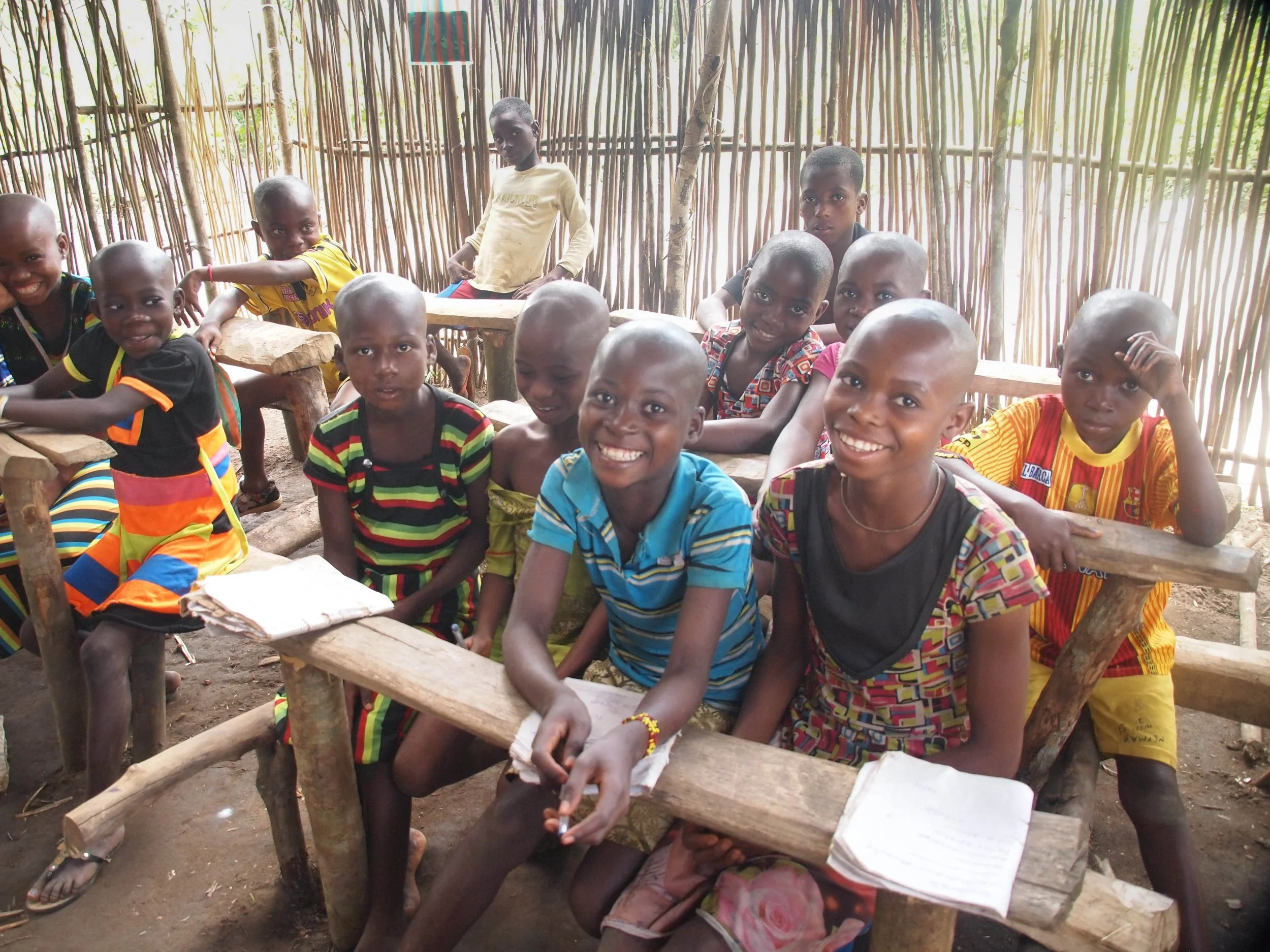


Strengthen community ties through jobs, schools and literacy classes
About 50% of SCIs field staff come from neighboring communities. SCI’s work also benefits local communities through support for four primary schools, two adult literacy classes, a guaranteed market for local produce, and employment opportunities for the people who live around the park. Learn more about our Community Support.
WHY TRUST US
We built this from the ground up. And we're not leaving.
In 1997, our team arrived at a remote stretch of the Salonga River with a single question: do bonobos live here? What started as a converted fishing camp is now an internationally recognized field research station staffed year-round, equipped for serious science, and trusted by Salonga's park co-managers to deliver the data that drives conservation decisions.
We work in partnership with the Institut Congolais pour la Conservation de la Nature (ICCN) and WWF - the park's co-managers - sharing survey results that directly shape where guards are deployed and how the park is protected.

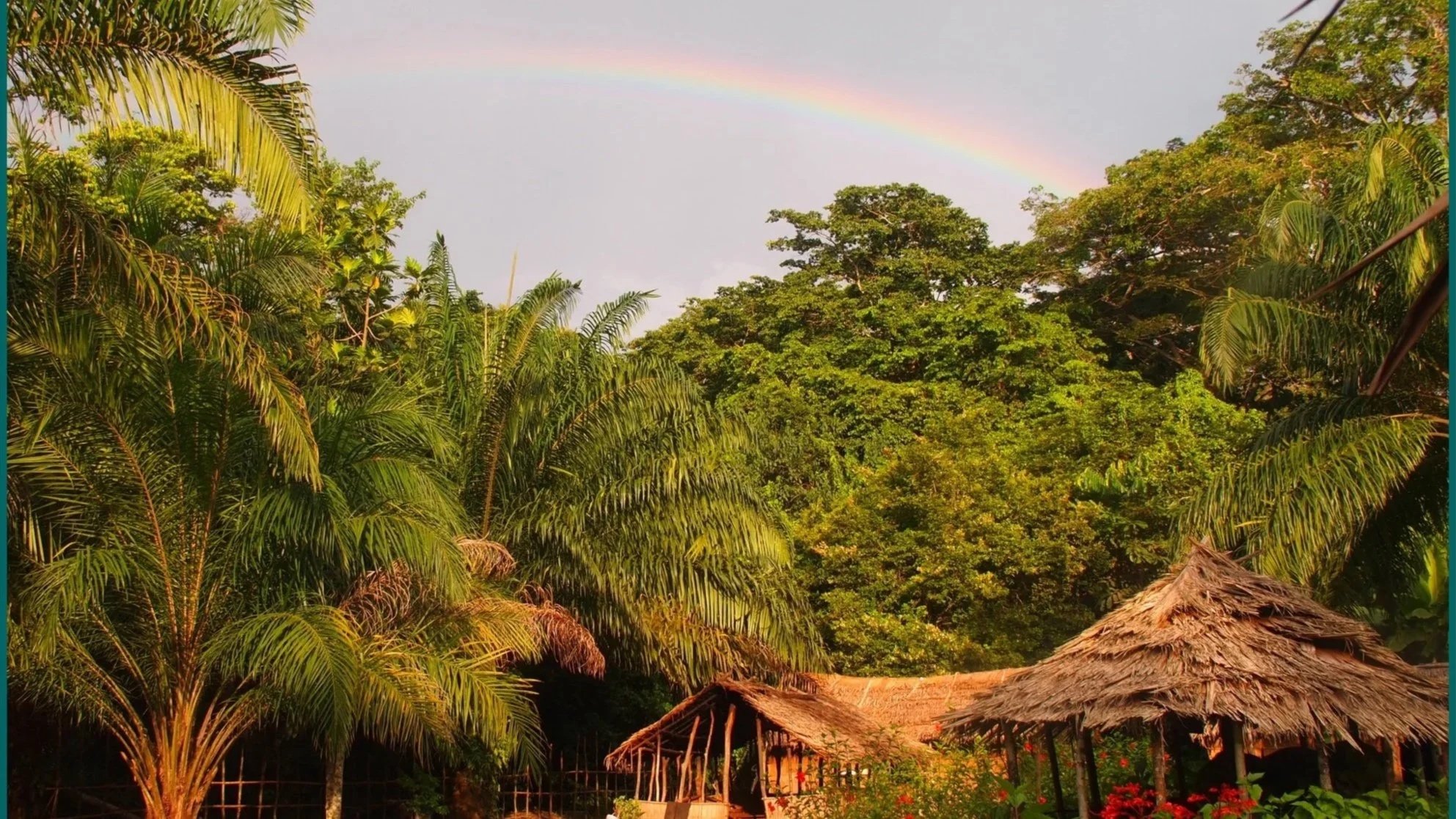
We found the bonobos.
Working with the Zoological Society of Milwaukee, we launched the first scientific mission to Salonga's remote northern block. Bonobos are confirmed! This is a discovery that redefines the park's global importance.
We grew roots in the community.
In 2004, we began supporting schools and community programs in villages surrounding Etate. Lasting conservation depends on local partnership — and we've been building those relationships ever since. The first children educated then are now village leaders.
We continued building on a strong legacy against the odds.
When ZSM's conservation priorities shifted, WWF shepherded our program during a transition to a new beginning. Fast action and dedicated supporters saved everything.
SCI was born and the surveys expand.
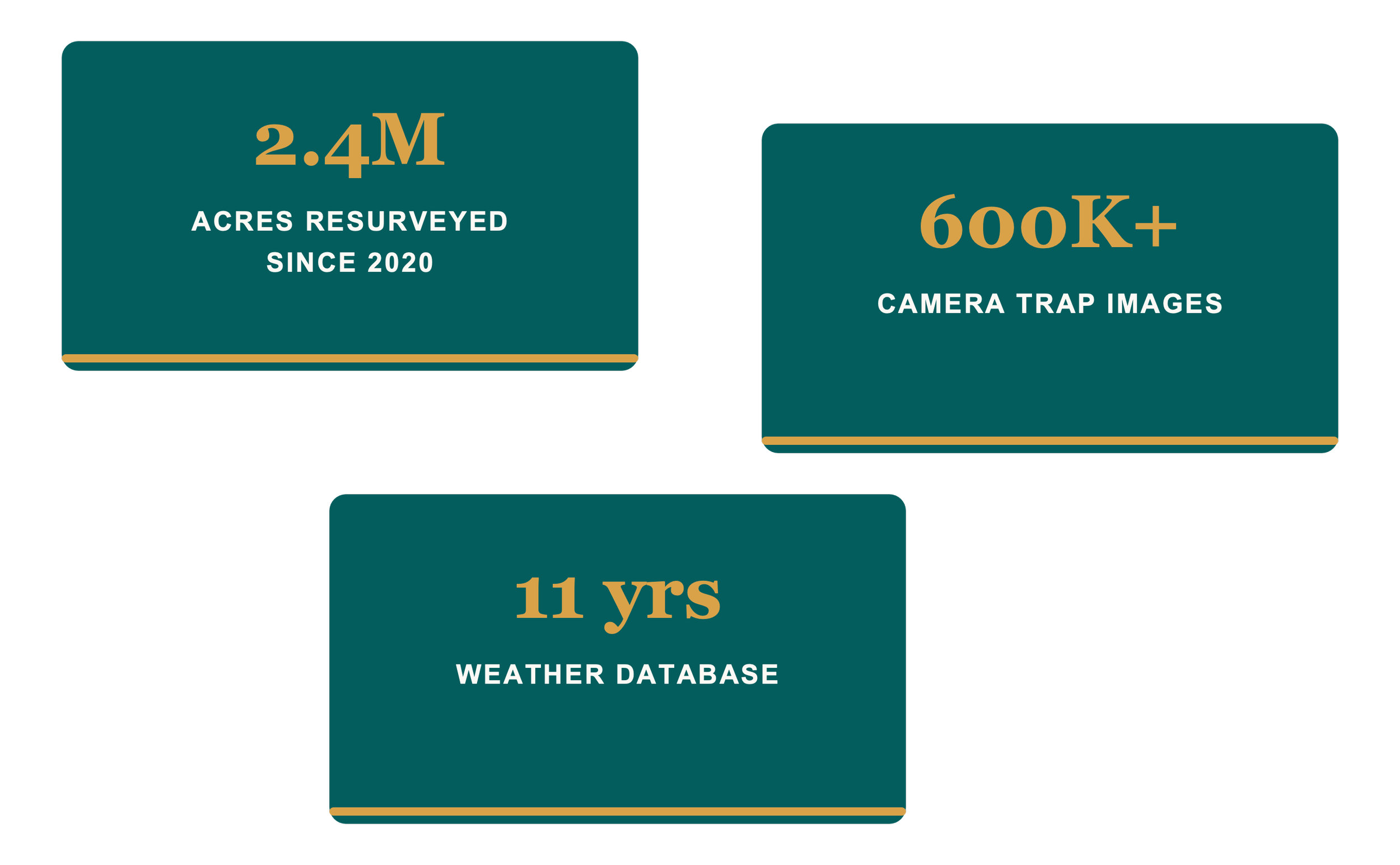
In 2020, the Salonga Conservation Initiative was established as an independent nonprofit. Since SCI began, our teams have assessed bonobo and elephant population across about 30% of Salonga's dense forested area. Since 2020, our field teams have reassessed ~2.4 million acres of the park on foot.
We're growing — with your help.
SCI has a unique role. We are expanding surveys, deepening collaborations, and working to protect more of Salonga's bonobos and elephants.
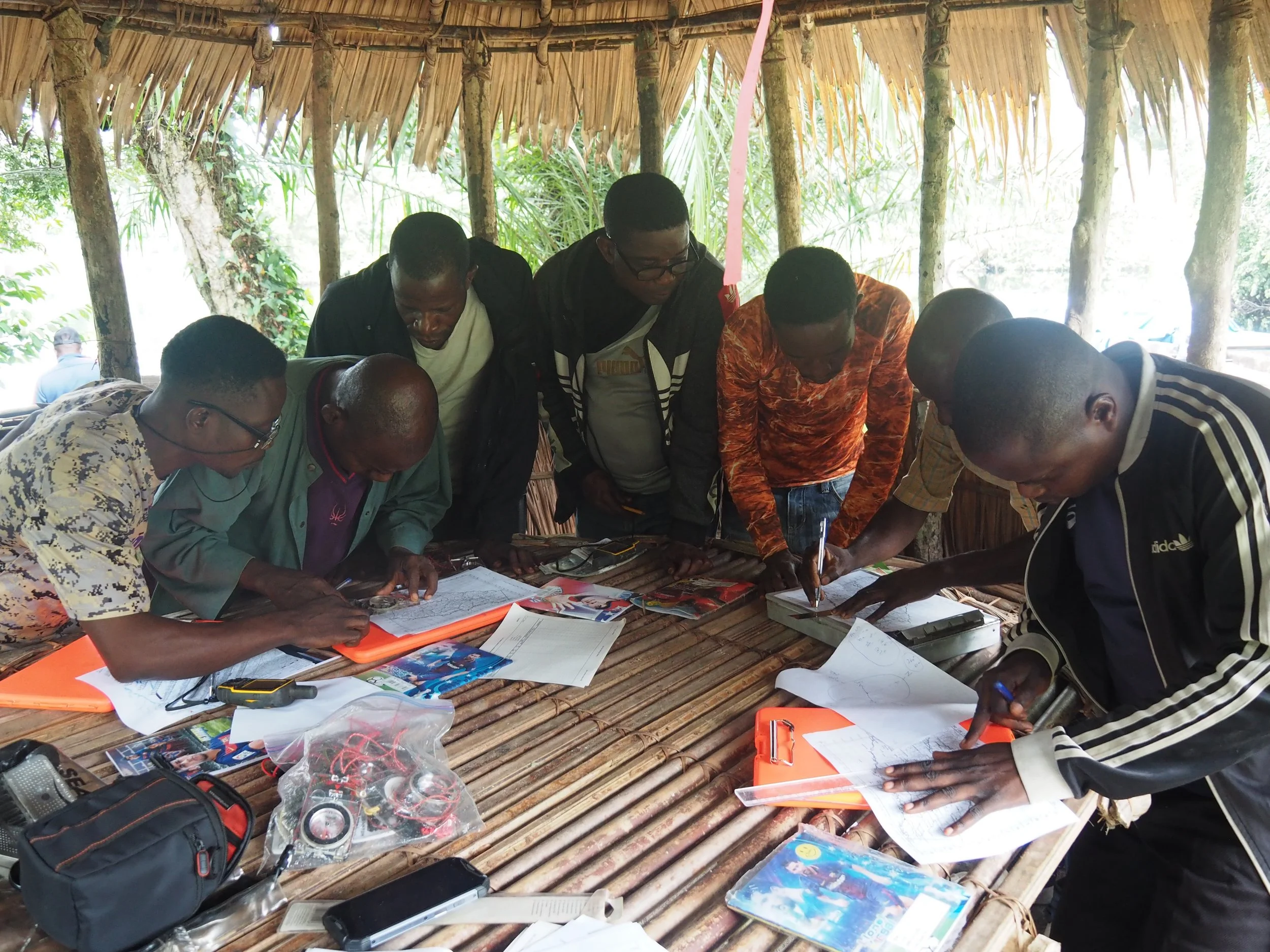
Salonga is the only place in the world where bonobos and elephants exist in substantial numbers.
This footage – captured in our safe zone at Etate Field Station – shows both species using the same forest path within just 45 minutes of each other.
HOW IT WORKS
Three steps. Real results.
Supporting Salonga's bonobos and elephants doesn't have to be complicated. Here is exactly what happens when you give.
You give.
Your donation goes directly to field operations. You keep our team in the forest, our equipment running, and our station open year-round. That helps keep the bonobos and elephants around Etate safe.
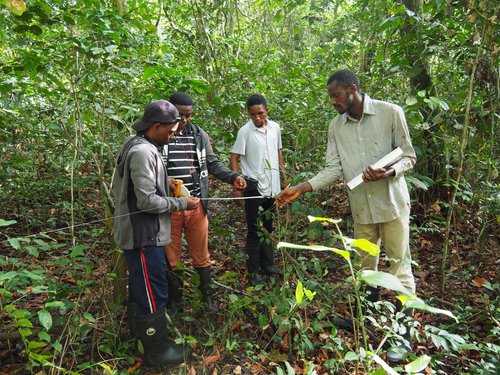
We go deeper.
Our Congolese research team surveys the forest, monitors the elephant bai, and tracks changes in animal density across Salonga's remote wilderness.
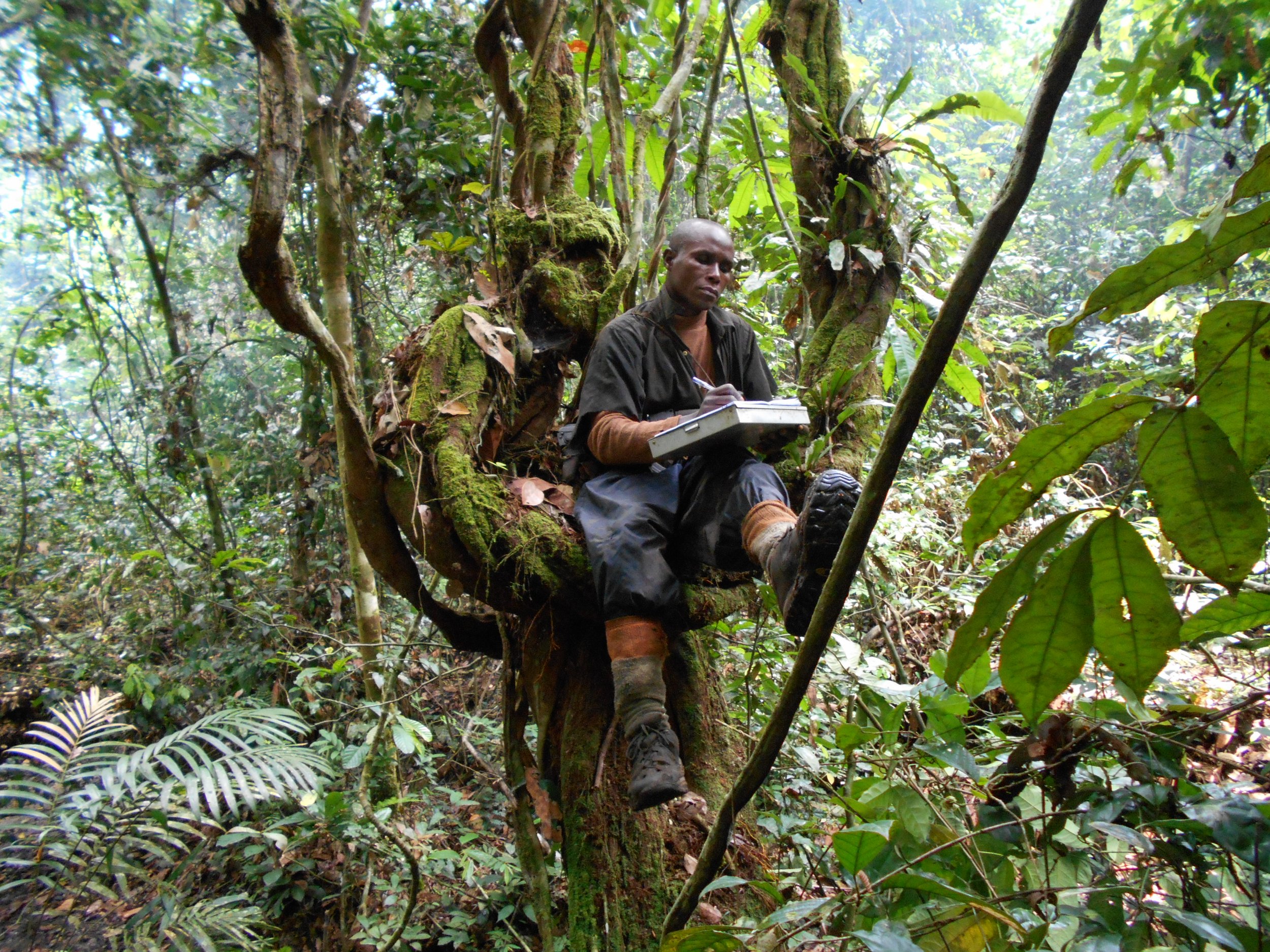
The data protects.
We hand our findings to Salonga's park managers. They deploy guards and allocate reaources in the areas that need them most – protecting bonobos, elephants, and other wildlife across Salonga National Park.
I want to protect bonobos and elephants!
Donate NowABOUT OUR WORK
Field research that turns data into action for Salonga's wildlife.
WILDLIFE MONITORING
SCI conducts systematic wildlife surveys across Salonga National Park,Africa’s largest rainforest park, at 33,000 km². That’s the size of the country of Belgium. Our teams trek hundreds of miles through dense rainforest to count bonobos, track elephants, and map poaching activity. We resurvey the same regions over time to detect changes and to catch declines before they become irreversible.
Our long-term elephant bai monitoring program has amassed over 500,000 camera trap images since 2018, giving us an unprecedented window into how forest elephants use this unique habitat.
ETATE RESEARCH STATION
Located on the Salonga River, Etate is one of a handful of functioning field research stations in the entire Congo Basin.
It houses 13 resident staff year-round and supports collaborations with scientists from around the world including BonDiv, Cornell University, the Royal Museum for Central Africa, and AZA-affiliated zoos.
Etate also anchors a community support program: four elementary schools, two adult literacy classes, and a guaranteed produce market that generates over $10,000 annually for local farming families. Because conservation only works for wildlife when it works for people too.
ABOUT OUR WORK
Field research that turns data into action for Salonga's wildlife.
SCI conducts systematic wildlife surveys across Salonga National Park,Africa’s largest rainforest park, at 33,000 km². That’s the size of the country of Belgium. Our teams trek hundreds of miles through dense rainforest to count bonobos, track elephants, and map poaching activity. We resurvey the same regions over time to detect changes and to catch declines before they become irreversible.
Our long-term elephant bai monitoring program has amassed over 500,000 camera trap images since 2018, giving us an unprecedented window into how forest elephants use this unique habitat.
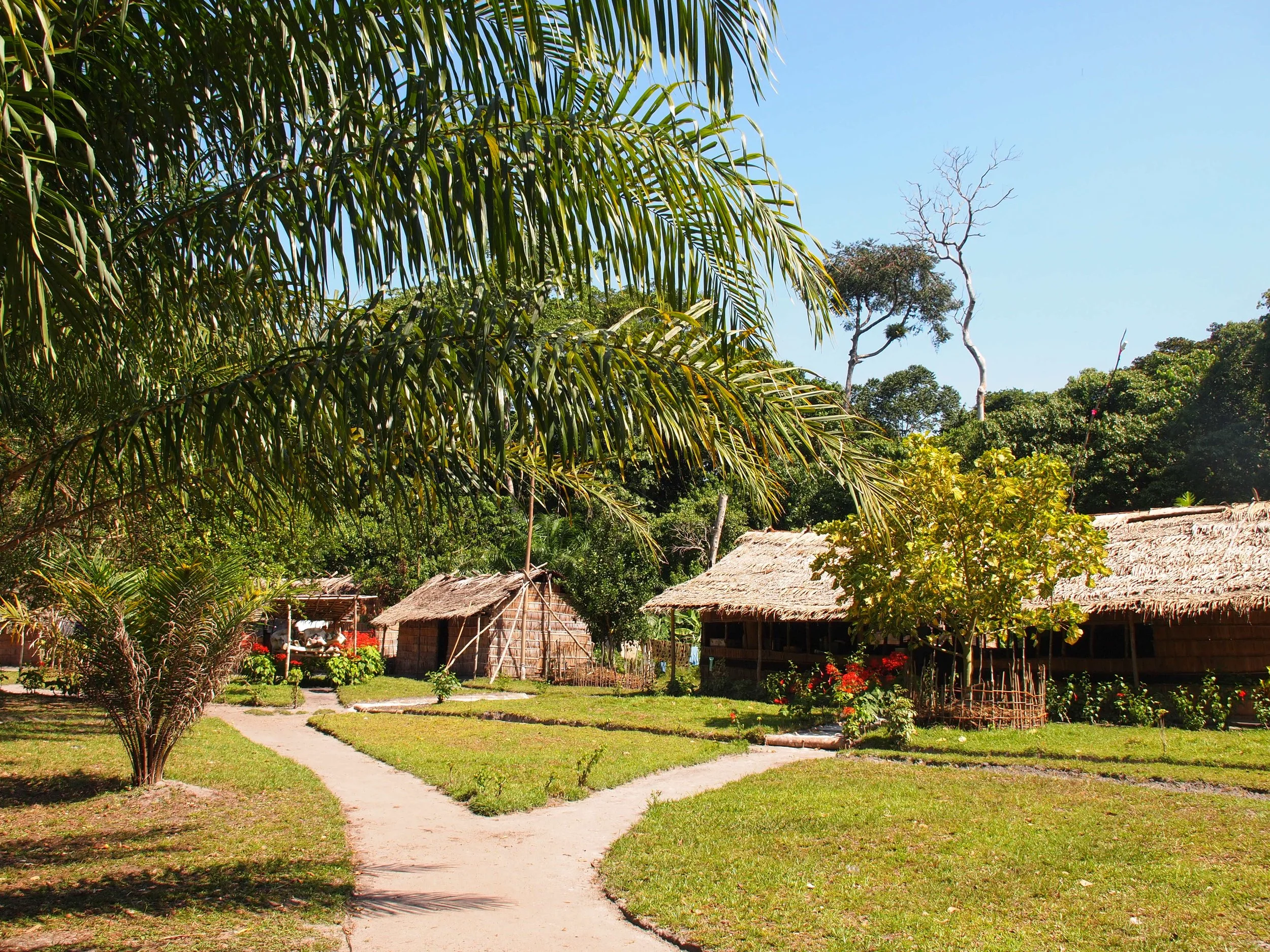
Located on the Salonga River, Etate is one of a handful of functioning field research stations in the entire Congo Basin.
It houses 13 resident staff year-round and supports collaborations with scientists from around the world including BonDiv, Cornell University, the Royal Museum for Central Africa, and AZA-affiliated zoos.
Etate also anchors a community support program: four elementary schools, two adult literacy classes, and a guaranteed produce market that generates over $10,000 annually for local farming families. Because conservation only works for wildlife when it works for people too.