

Our Impact

Tracking wildlife population vulnerabilities


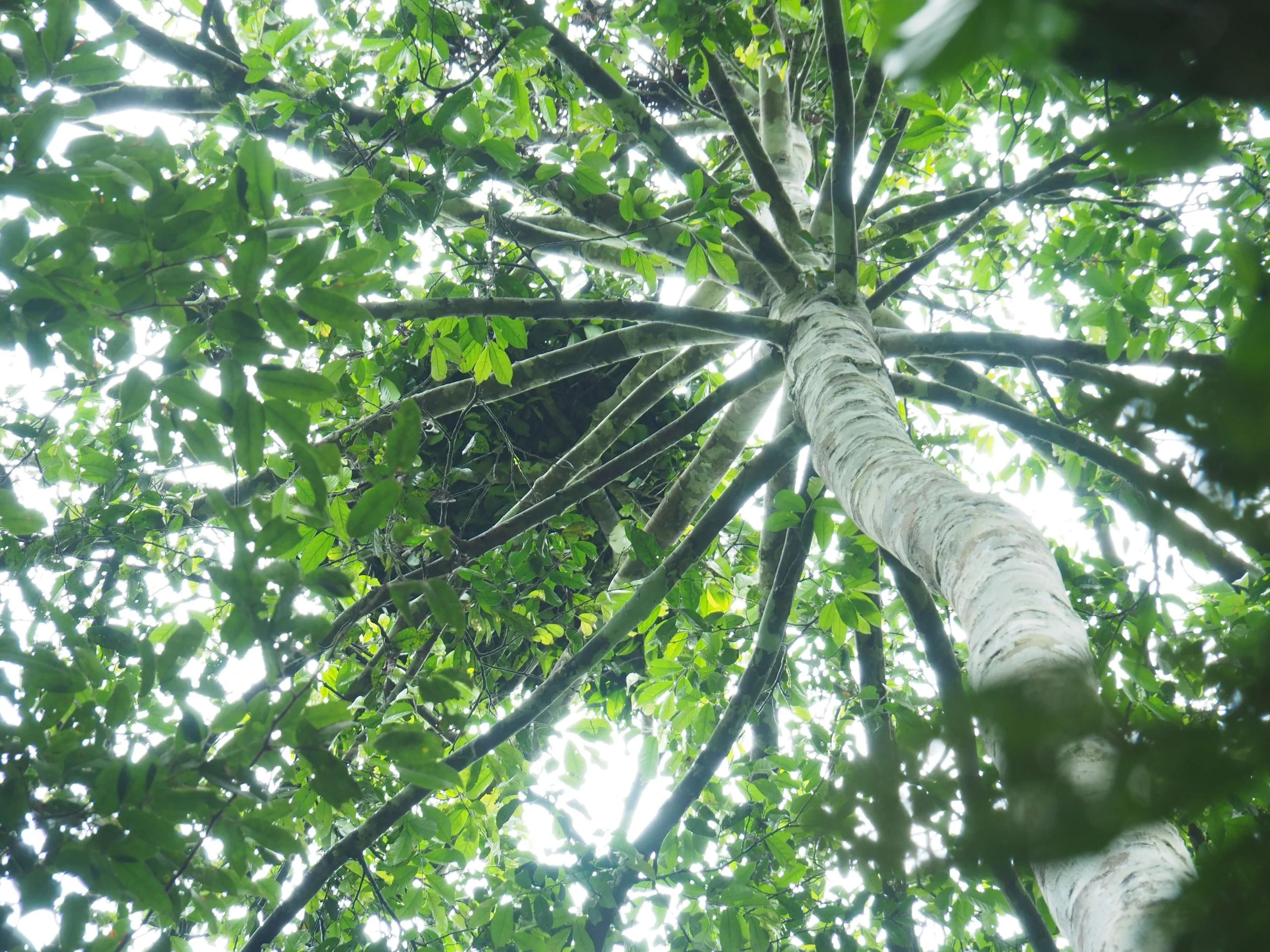
Counting bonobo nests (shown here) observed on surveys is an indirect method used for counting bonobos.
Wildlife monitoring and ecological research
SCI’s role is to monitor wildlife populations in the Salonga National Park - a continuous process that serves as a barometer for species conservation and park success.
Surveys: Data that drive conservation decisions
With every survey, park authorities receive updated, detailed geographic and quantitative information about bonobo and elephant rich zones, local threats, and environmental and habitat conditions.
SCI “resurveys” regions that were previously surveyed about eight to nine years ago in order to determine whether animal densities or distributions have changed over time.
For example, in 2024, a resurvey of a distant, less patrolled region in the park revealed a decline in bonobos and an increase in hunting signs over a nine-year period. The survey results invigorated park management plans to build a new guard substation in the affected region.
As long as threats evolve, SCI monitoring must continue to provide the intelligence that keeps Salonga's guardians prepared. Since 2020, SCI has resurveyed about 30% of the park.
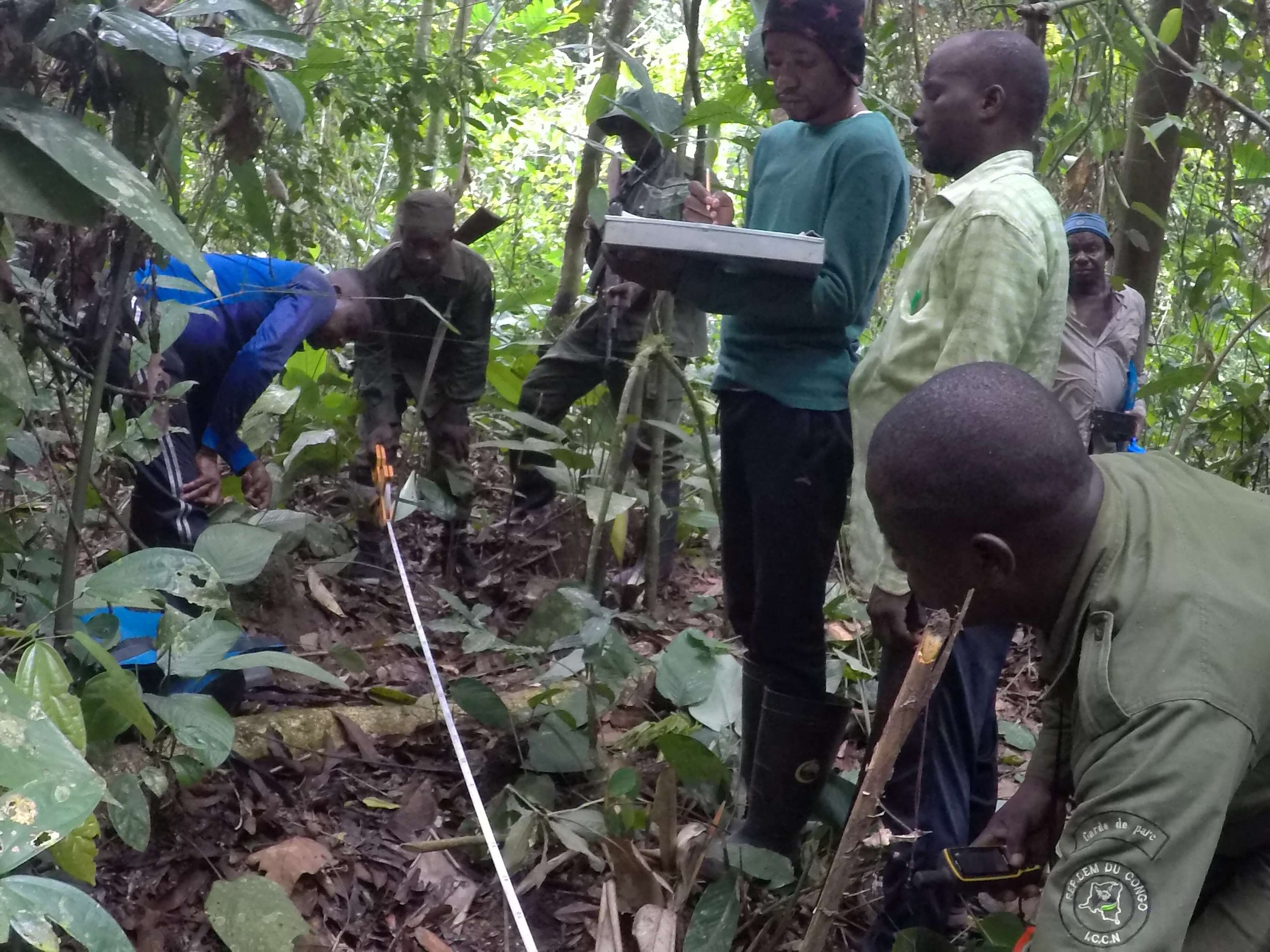

Elephant bai monitoring: Deterring threats and understanding elephant habits
As a congregation site for forest elephants, bais are priority conservation sites. SCI’s research presence at the local bai deters poachers. Furthermore, SCI’s long-term camera trap study reveals how forest elephants use this unique habitat. Changes in elephant habits signal the need for heightened surveillance efforts.
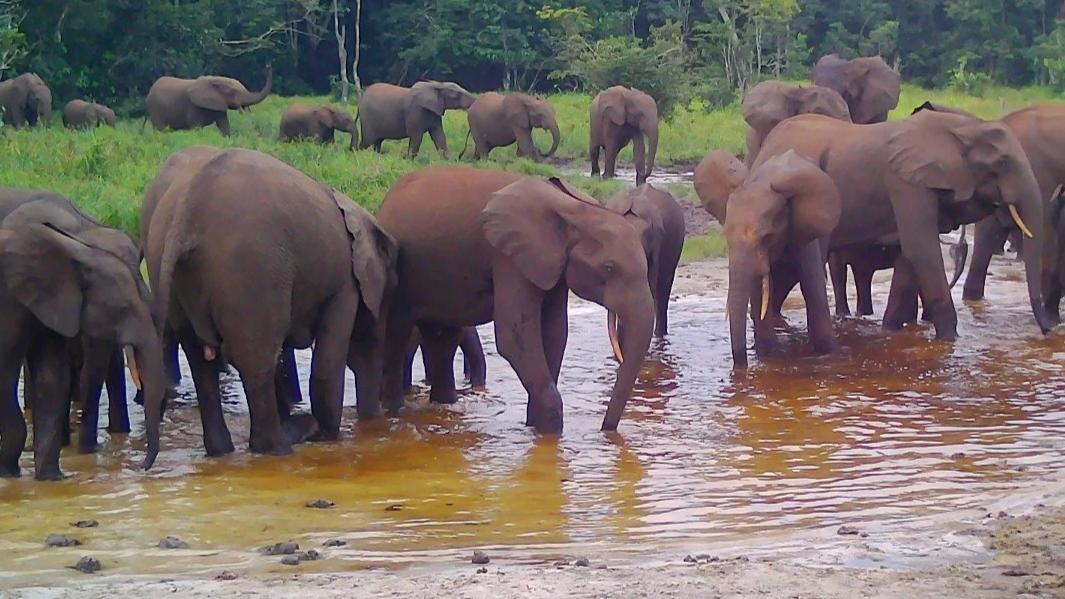
Ecological research: Long-term data for lasting impact
SCI’s ecological research strengthens wildlife monitoring efforts. For example:
Bonobo nest and elephant dung decay studies refine estimates of bonobo and elephant densities and lead to more accurate survey results.
Habitat studies are important for long-term population monitoring, especially as forests become impacted by climate change.
An 11-year weather database gives SCI and park managers the information to determine seasonal or weather-related effects on changes in animal occurrence.
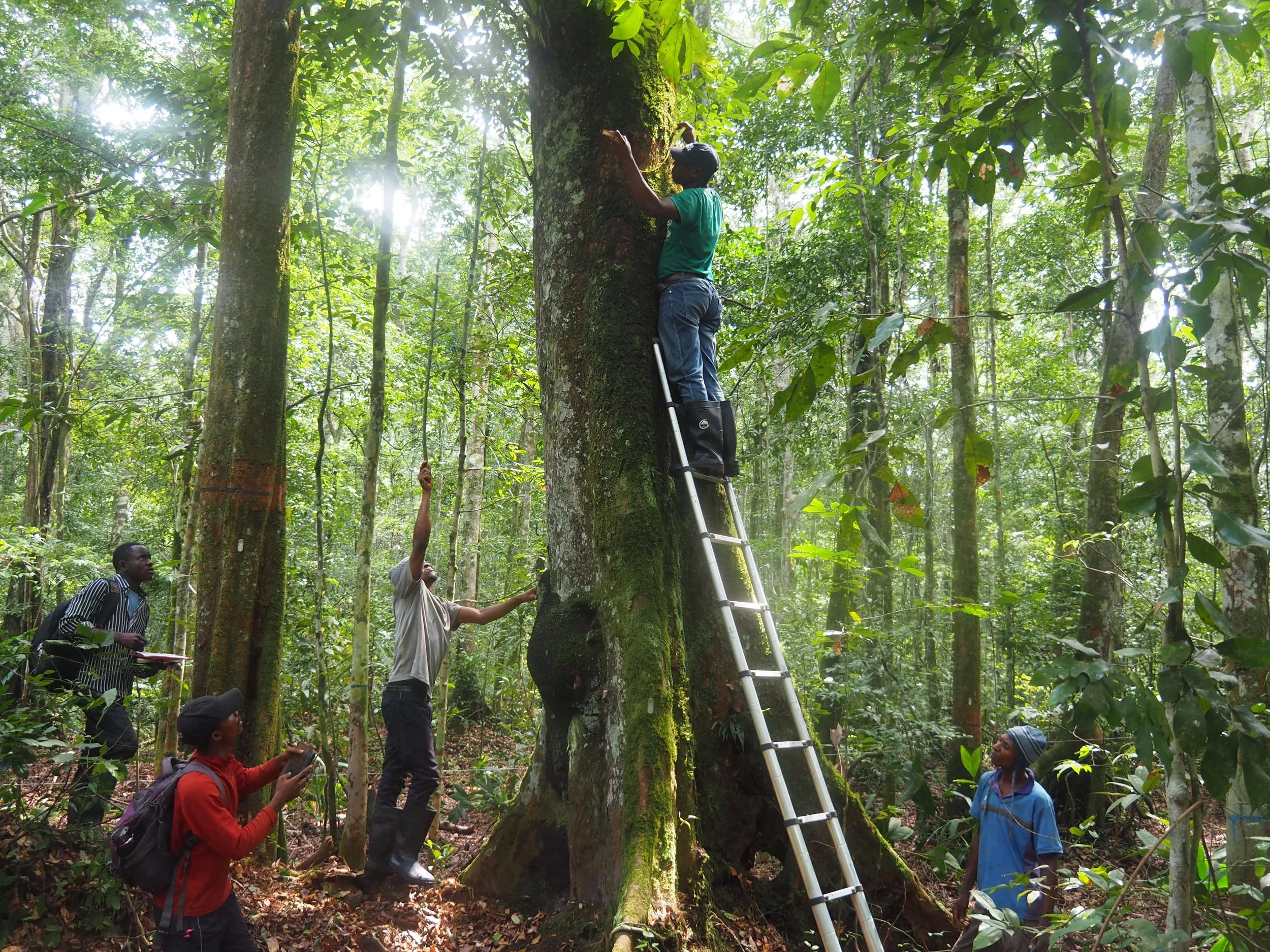


Etate’s impact

Etate: a safe zone for bonobos and a natural lab within Salonga
Situated inside the park, Etate is one of a handful of research field stations in the DRC and Congo Basin. Etate’s mere presence has deterred poachers for two decades, making Etate a haven for the animals that roam the 1,000 km² zone – including 800 bonobos and 50 to 100 forest elephants and a wide variety of other wildlife.
Essentially free from the effects of poaching or close human contact, Etate is a natural laboratory for long-term ecological studies.
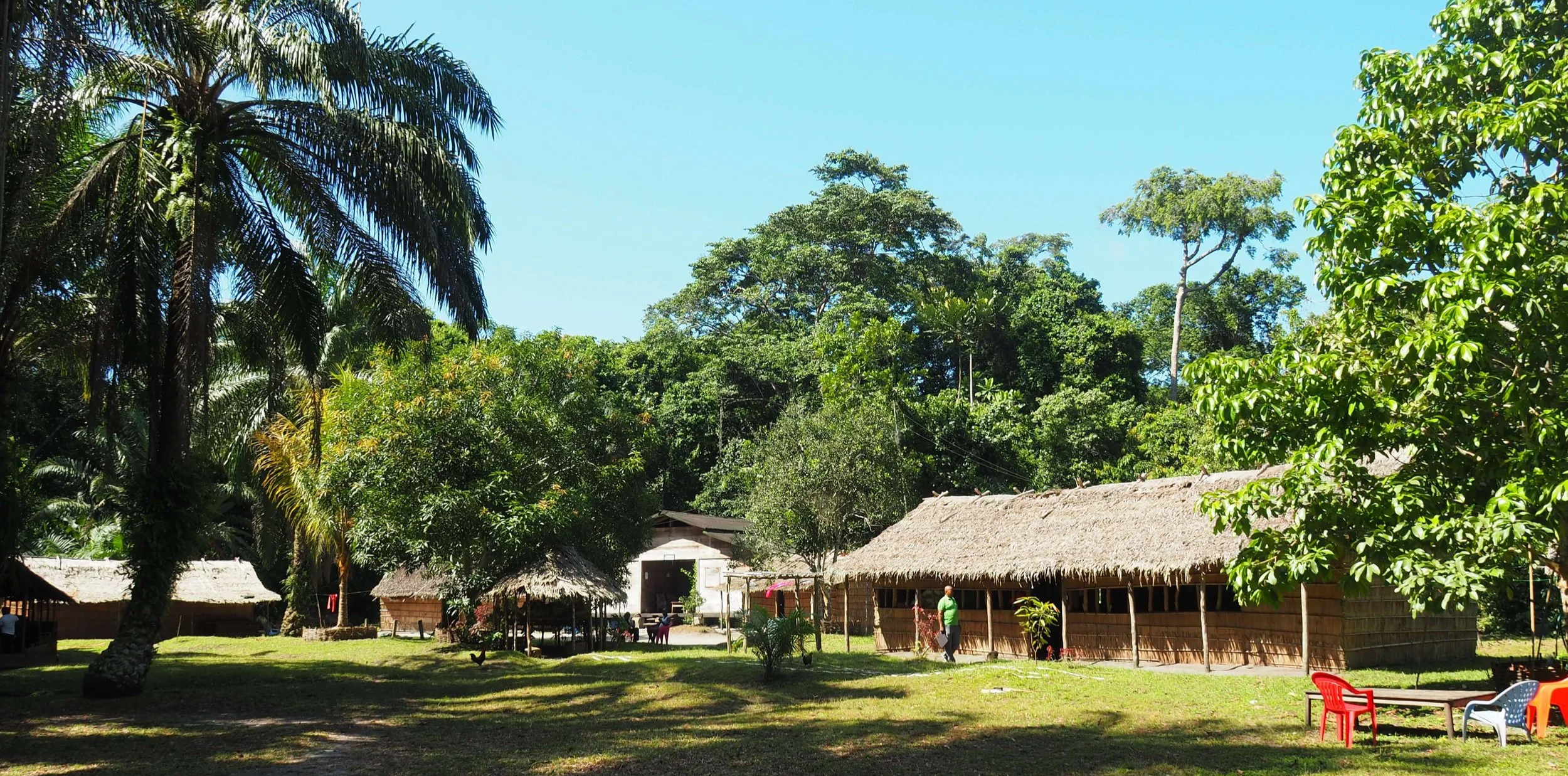
Etate, a wilderness camp equipped with logistical resources, is SCI’s base for field collaboration with other scientists/organizations.
Local communities benefit from school support and a produce market, creating trust and cooperation between Etate and its neighbors.

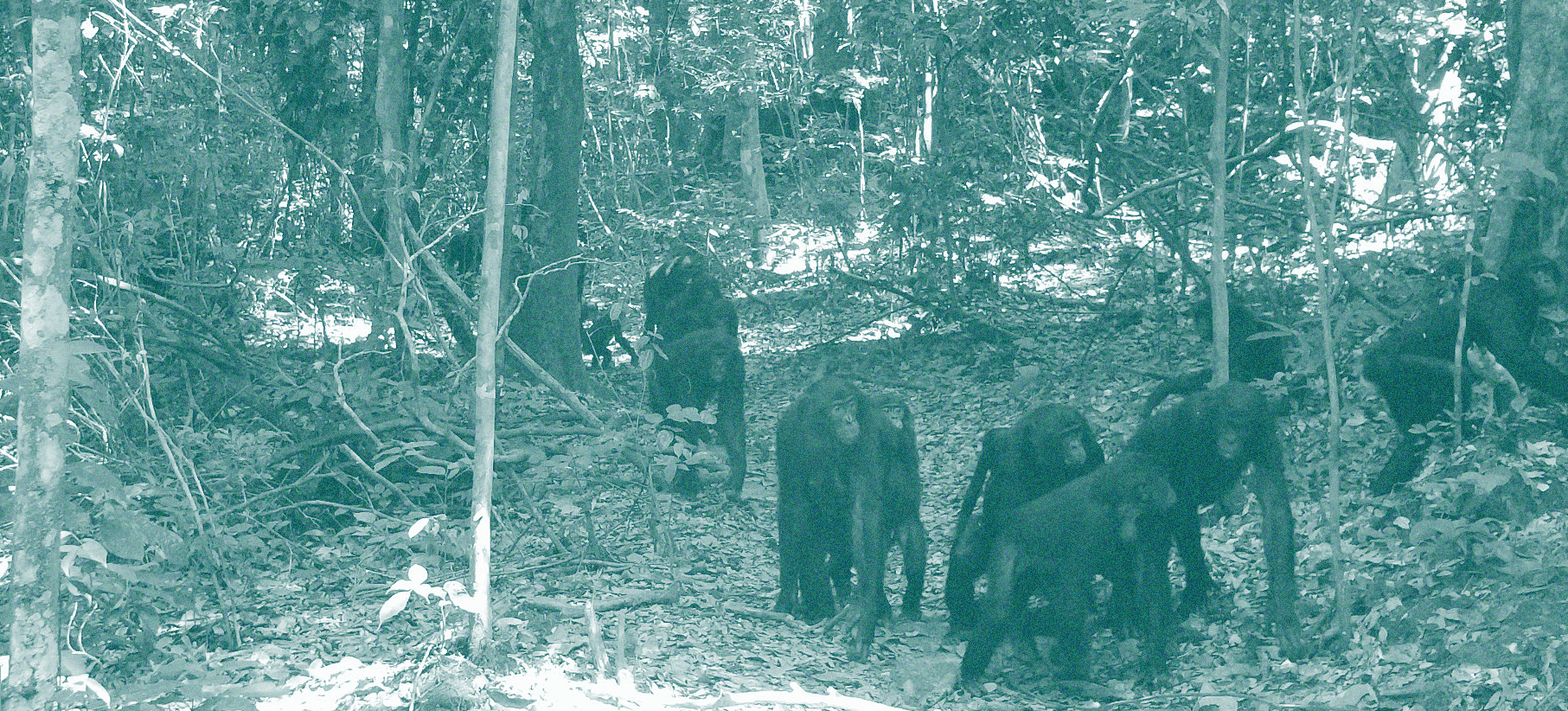
The decline of the bonobo (Pan paniscus) and rise of human incursion in Dare Dare, Salonga National Park, Democratic Republic of Congo (DRC).
This report was presented at the 30th International Primatological Society Congress, July 2025
Featured Report
Collaborations expand scientific output
Our decades of field experience and Etate's infrastructure provide opportunities for SCI to join with national and international researchers to deepen our understanding of Salonga's ecosystem. Such collaborations amplify our impact and inform broader conservation strategies.
SCI collaborates with national and international scientists and institutions who share a common mission to expand Salonga’s scientific output.
-
![]()
SCI + BonDiv (Bonobo Diversity) Project: Mapping Bonobo Diversity
Through our partnership with BonDiv, led by Drs. Erin Wessling, Martin Surbeck, and Hjalmar Kühl, SCI contributes to one of the most sweeping studies of bonobo diversity attempted.
BonDiv conducts range-wide comparative studies on the ecology, genetics, habitat, and behavior of the bonobos found at 30 sites across the DRC.
-
![]()
SCI + Royal Museum for Central Africa & University of Kisangani: Climate Science in Action
Climate and forest scientists from the Royal Museum of Central Africa (Tervuren, Belgium), University of Ghent (Belgium), and the University of Kisangani (Democratic Republic of Congo) monitor tree diversity and growth in 17 forest plots to compare rates of carbon storage to other rainforest ecosystems.
-
![]()
SCI + WWF + Cornell University: Passive Acoustic Monitoring in remote conservation zones in Salonga
SCI is working with WWF-DRC and Cornell University to use passive acoustic monitoring (PAM) to detect occurrences of elephants/bonobos in remote areas. PAM “listens” for and records animal vocalizations over large areas in the absence of researchers. PAM is a biomonitoring tool which SCI will deploy in the park.
-
![]()
SCI + Saving Animals from Extinction (SAFE): Partnering with American Zoos for bonobo conservation
The Association of Zoos and Aquarium's (AZA) Saving Animals from Extinction (SAFE) focuses on the collective expertise within AZA-accredited zoos and aquariums and leverages their massive audience to save species. SAFE is a framework that focuses on protecting threatened species by developing and implementing conservation plans. SAFE Bonobo is among the most recent additions to the list of SAFE targeted species, and is managed by Auriana Donaldson, Zoological Society of Milwaukee. SCI is one of SAFE Bonobo’s program field partners, which will receive much needed exposure and funding for SCI’s mission to conserve bonobos and the Salonga.