

Our Work
We assess wildlife populations and their habitat in the remote wilderness of the Salonga National Park to guide protection of bonobos, forest elephants and other animals.


Bonobos

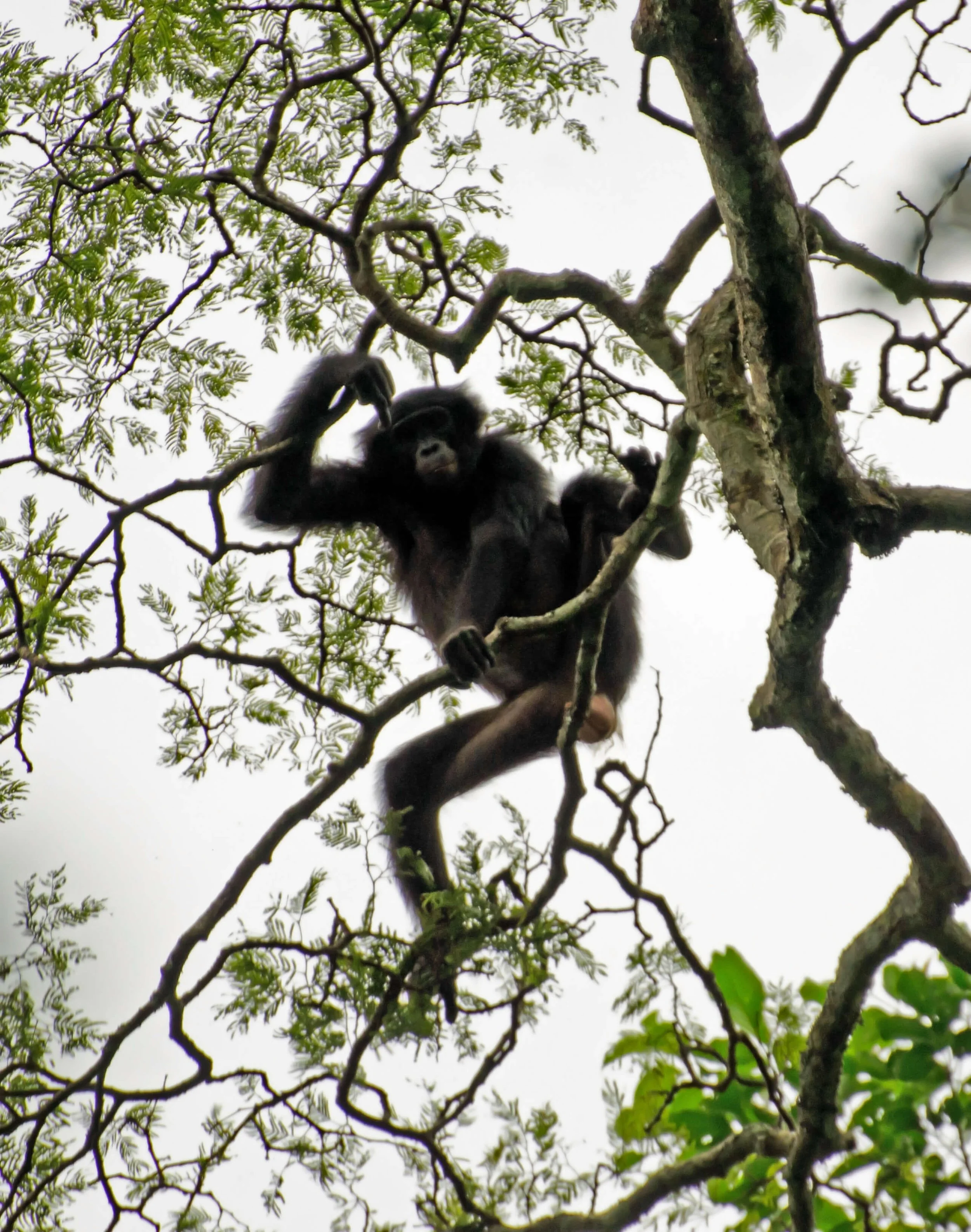
Bonobos are closely related to humans.
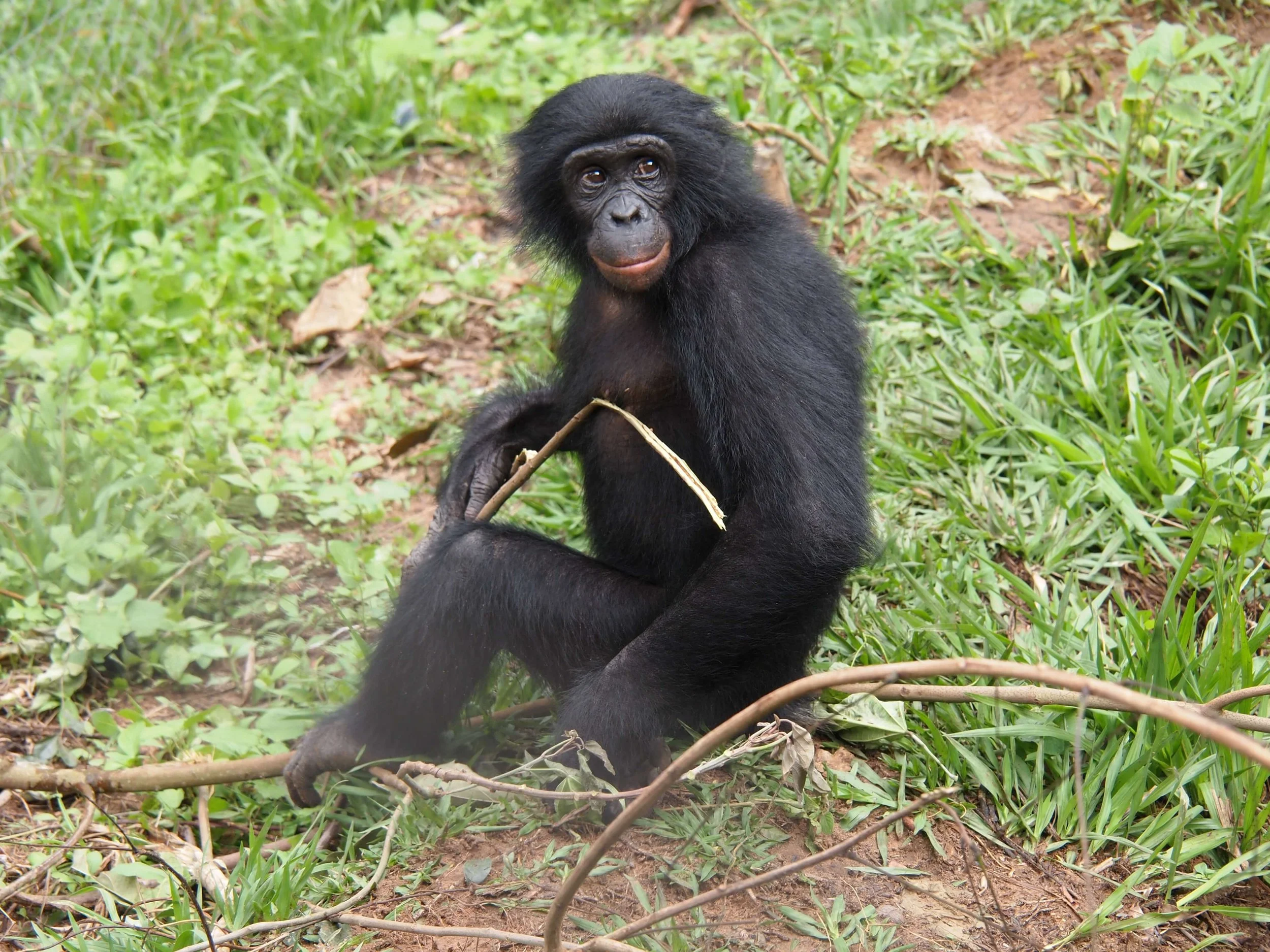

Bonobos eat the fruit, pith and leaves of many trees, lianas and herbaceous plants. They disperse seeds in the forest ecosystem and thereby promote forest regeneration.
The bonobo (Pan paniscus), an endangered great ape, is found only in the Democratic Republic of Congo south of the Congo River, living in Congo’s dense central tropical forests.
The bonobo and its sister species, the chimpanzee, are among humankind’s closest living relatives, sharing 98.7% of our genetic identity. In contrast to other great apes, bonobos offer a gentler, more egalitarian model for human evolution and remind us of our potential for empathy and cooperation. Bonobos are thought to have a matriarchal society where female coalitions can reign. Living in large social groups, cooperation in bonobo society dampens aggression and male hierarchy.
Conservation Status
Bonobo populations continue to decline across their range due to the illegal bushmeat trade and habitat destruction.
Concern over declining bonobo populations led scientists from around the world to create the first bonobo conservation action plan in 1995 that urged exploration of potential bonobo sites throughout the species’ range. The Salonga National Park was one of the sites recommended for investigation, a place so remote that very few scientists had visited. The vast park lay in the center of the species’ range.
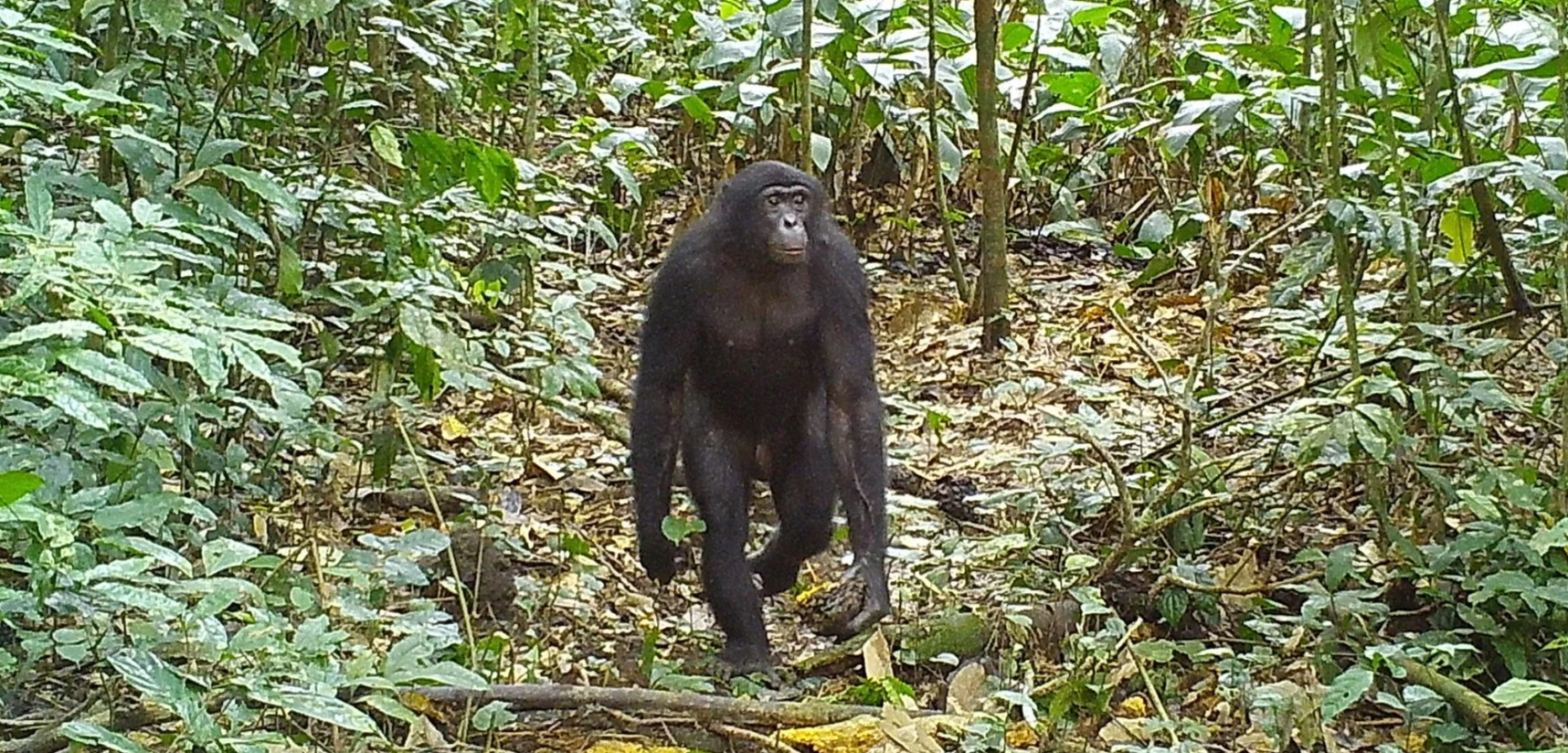
Bonobos have a gracile build and dark black hair that parts in the middle of their head. Their bodies’ lower center of gravity enables bonobos to have a greater tendency to stand upright.
The action plan was the impetus for the Zoological Society of Milwaukee (ZSM) to invest years (1997 – 2018) in the Salonga to discover bonobo populations and
lead targeted conservation efforts. Learn more about our history.
Today, SCI continues this mission. Because of these efforts, Salonga is heralded as the bonobo’s premiere conservation site.
The social lives of bonobos
Bonobos live in large social groups composed of males and females of different ages.
A trail camera captures a large (and curious!) group of bonobos with multiple young near the Etate Research Station in the Salonga National Park.
This video is a product of SCI’s collaboration with the BonDiv (Bonobo Diversity) Project — a study to document diversity in bonobos across the species’ range in DRC.
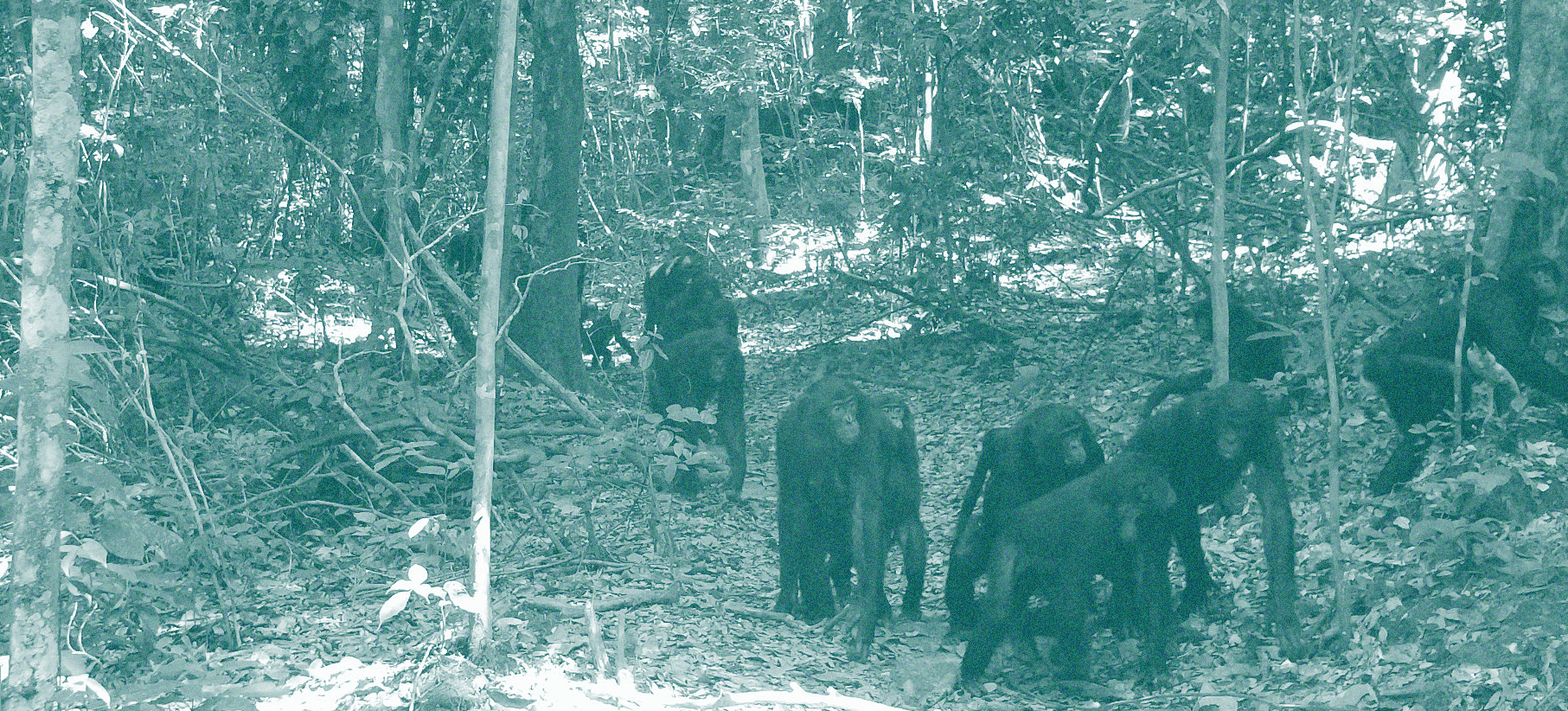
Listen to the bonobos here.
Salonga National Park
The world's bonobo stronghold and lungs of the planet.
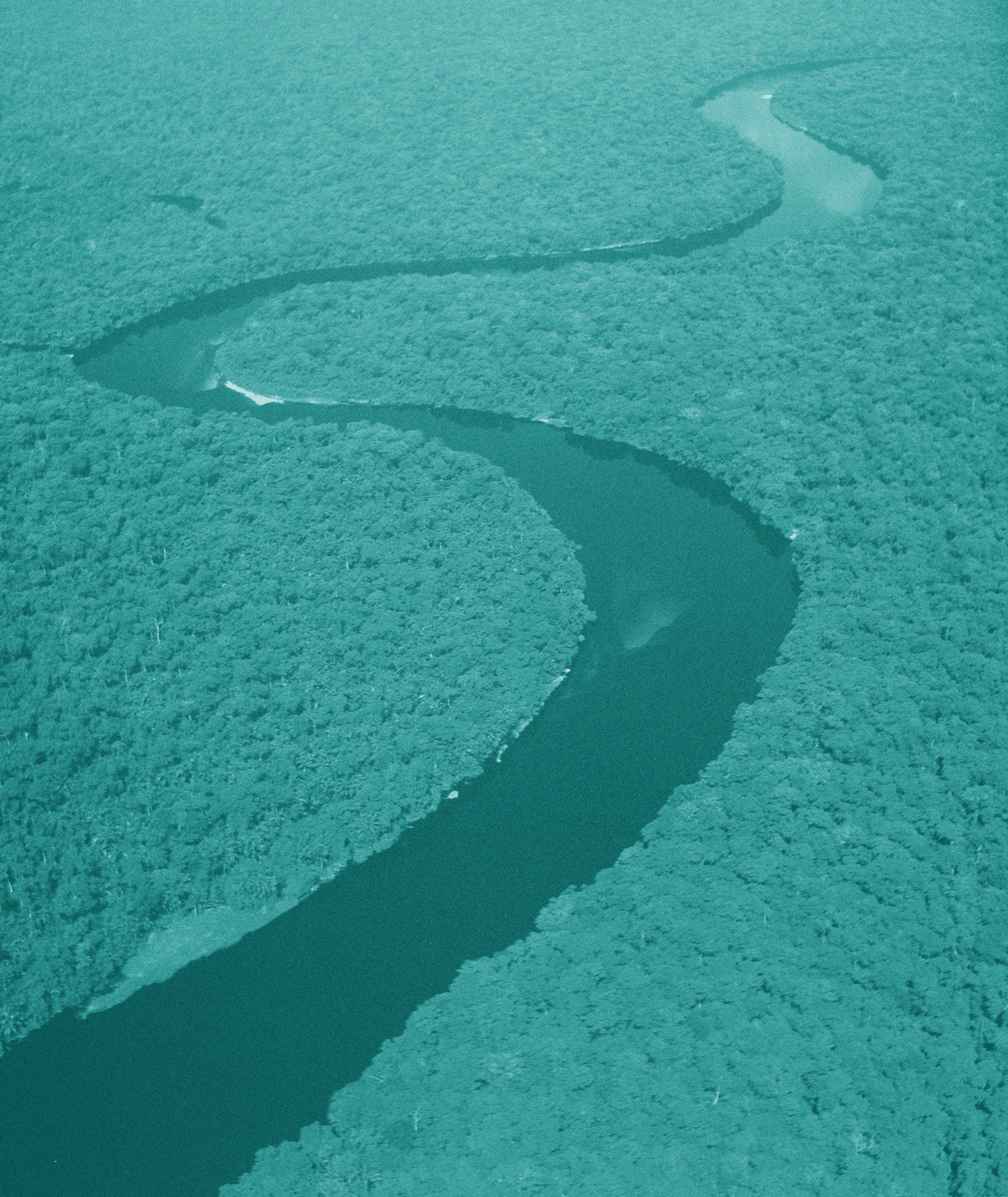
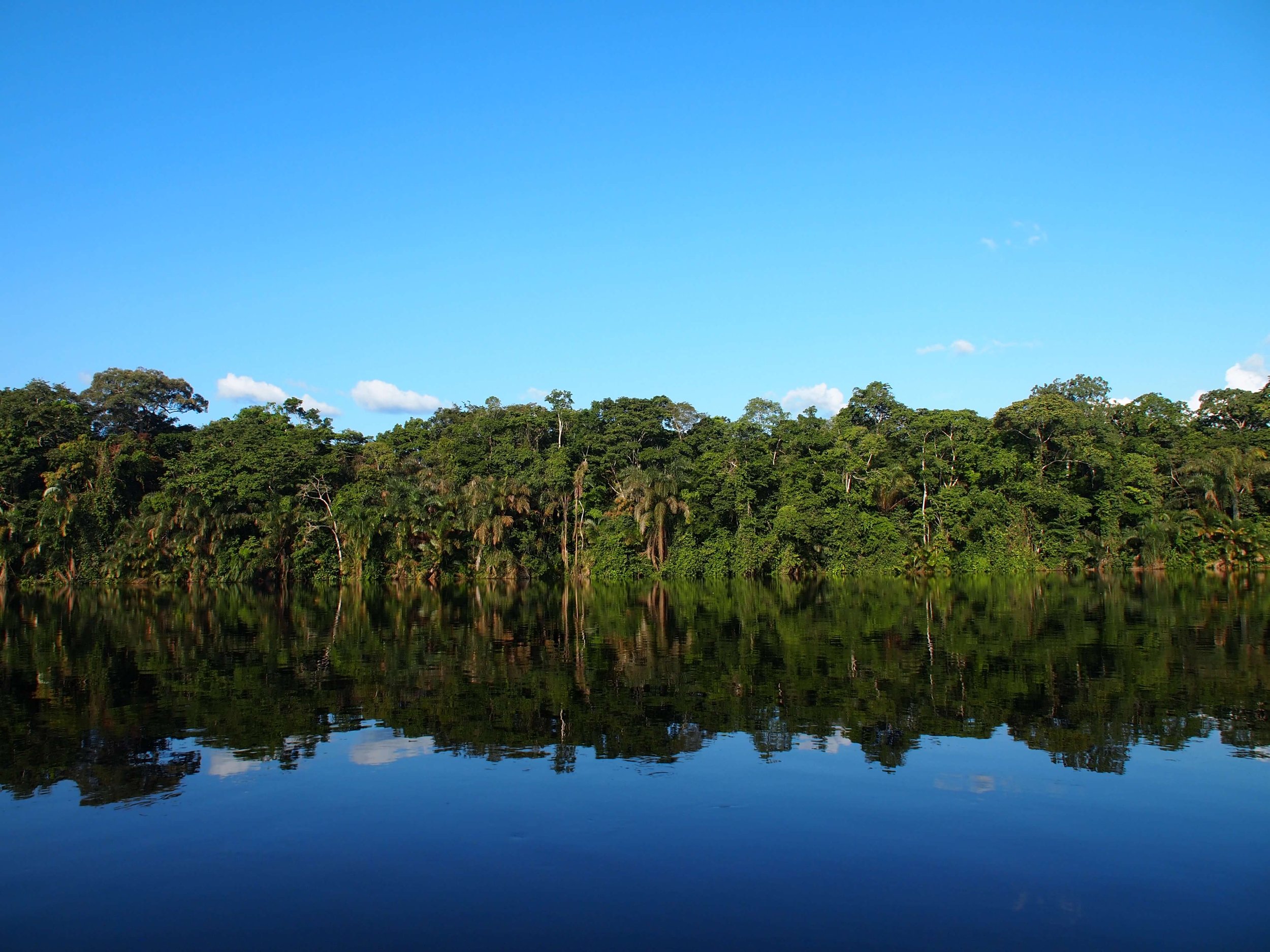
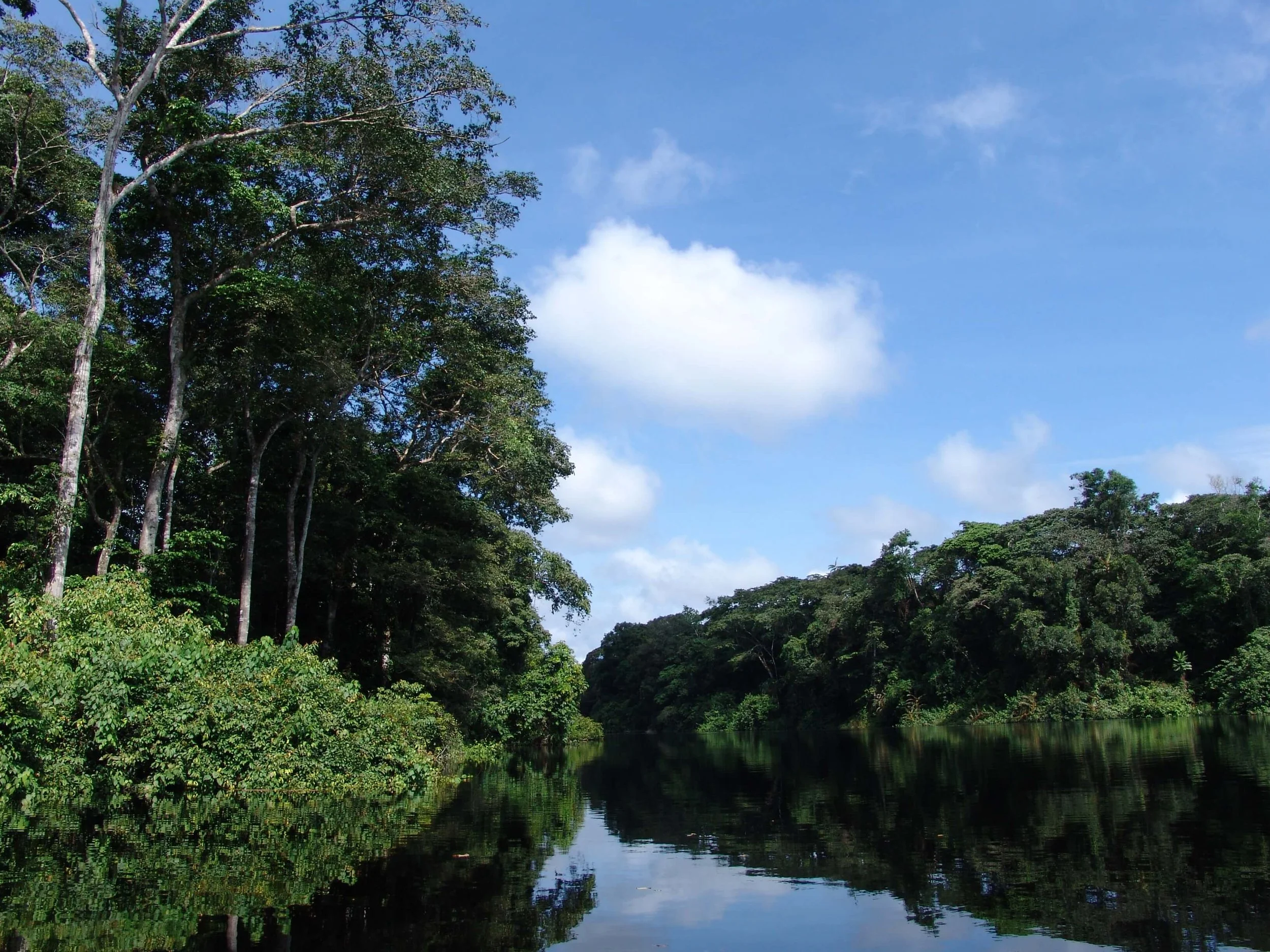
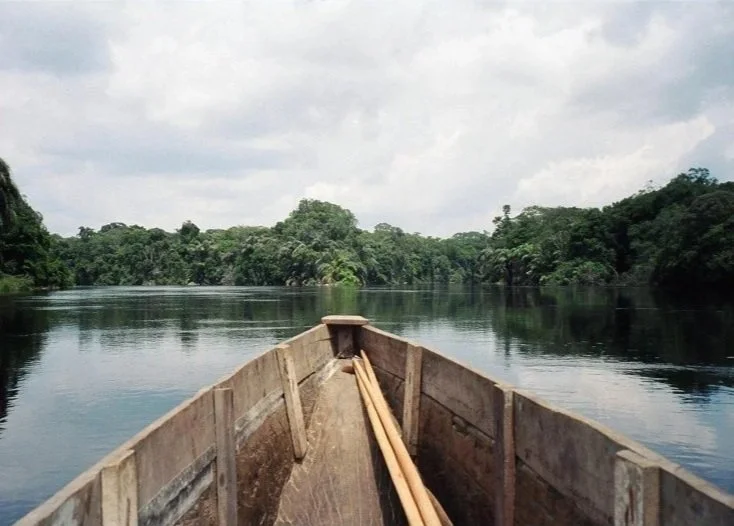
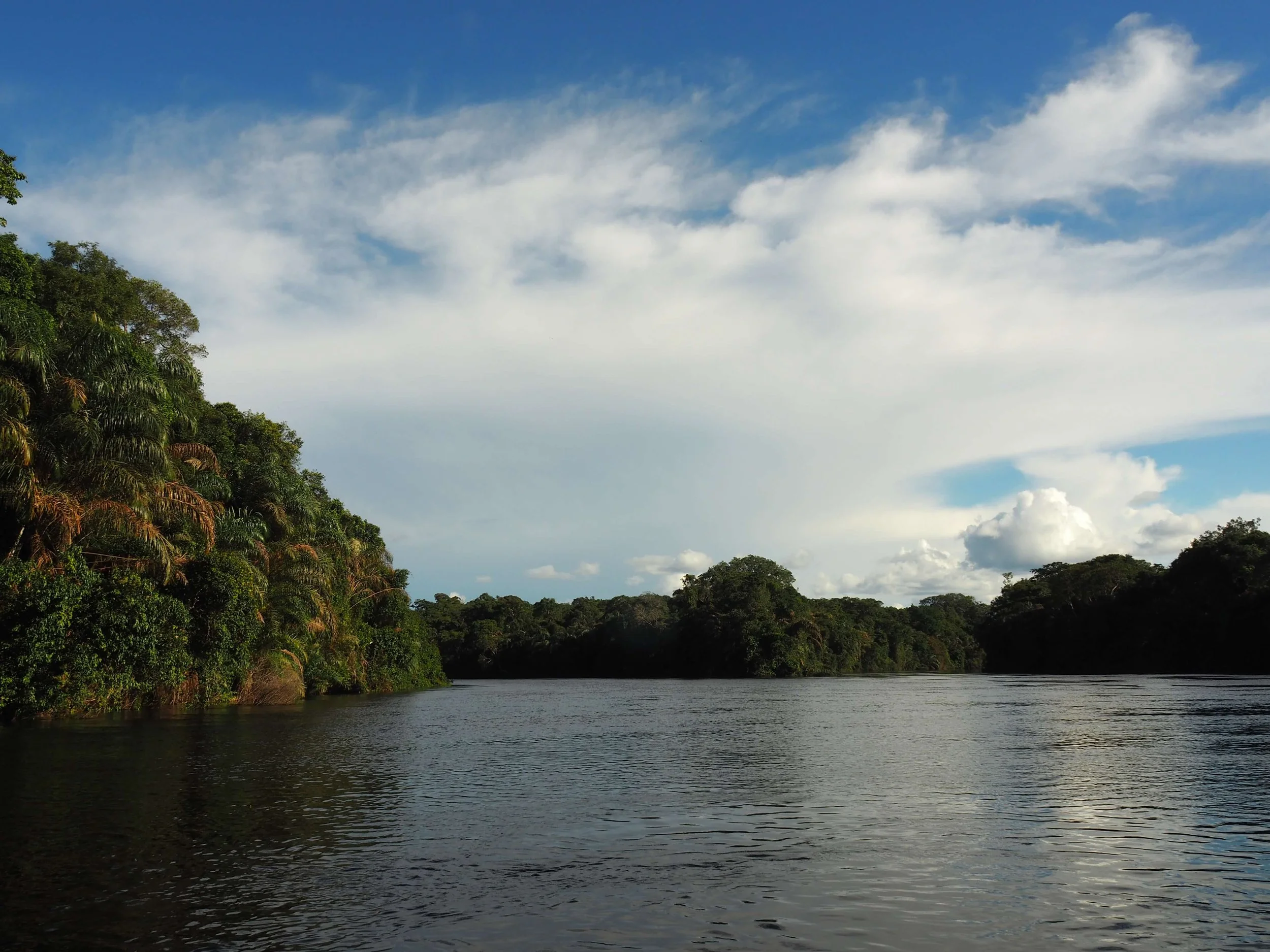
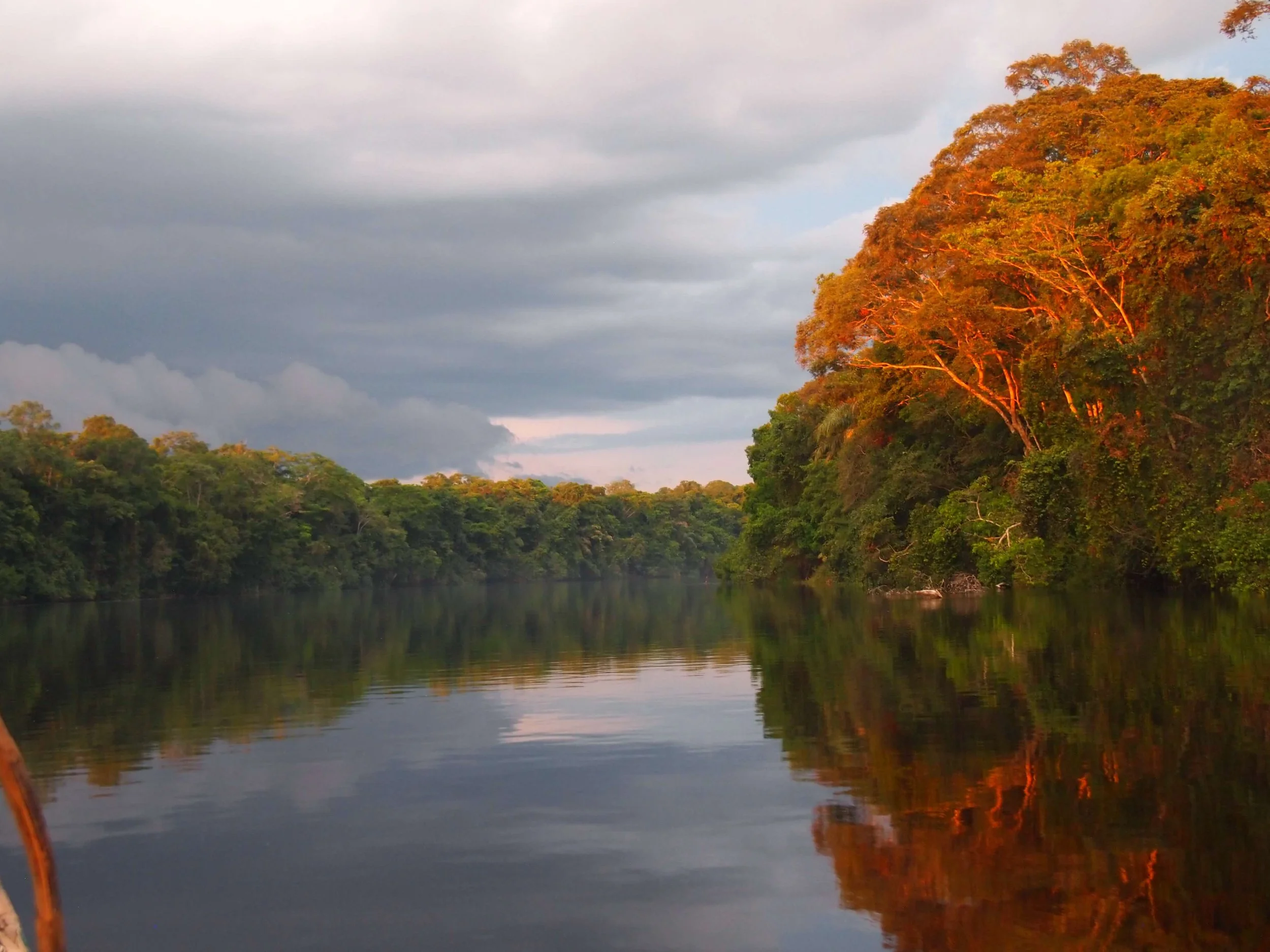
Imagine a living mosaic: crisscrossing rivers, swamplands, and ancient forests stretching beyond the horizon. Where megafauna like bonobos and forest elephants have coexisted over millennia.
This is Salonga National Park in the Democratic Republic of Congo (DRC). As Africa's largest rainforest park (33,000 km²), it spans an area equivalent to the size of Belgium and encompasses an entire tropical rainforest ecosystem.
Democratic Republic of Congo, the Salonga National Park, and the range of the bonobo (Pan paniscus).
Salonga's importance to Congo extends far beyond its boundaries and its bonobos. It shelters the headwaters of seven major river systems flowing into the mighty Congo River. As a spawning ground for fish, these waterways sustain millions of people downstream who depend on fish as their primary protein source. The rivers nourish the luxuriant growth of a massive tropical forest that acts as the lungs of the world, pumping out oxygen and restoring atmospheric balance. When Salonga’s forest flourished and diversified, it created the perfect habitat for an array of megafauna – large, long-lived animals.
Inside this labyrinth of water and canopy, bonobos forage and play while forest elephants carve pathways through the understory. Salonga is their sanctuary and a representation of the Congo’s natural heritage.
Bonobos are a flagship species and an important indicator of Salonga's ecological health. Salonga holds an estimated 12,000 bonobos or potentially 60% of the world’s population and represents the largest, continuous expanse of protected bonobo habitat in the world. This makes Salonga the most significant conservation site for the endangered bonobo.
The Salonga National Park was established in 1970 and became a UNESCO World Heritage Site in 1984. Salonga is co-managed by the Institut Congolais pour la Conservation de la Nature (ICCN) - the Congolese parks authority - and the World Wide Fund for Nature (WWF). SCI works in collaboration with the park's co-managers to monitor wildlife populations and inform urgent conservation strategies.


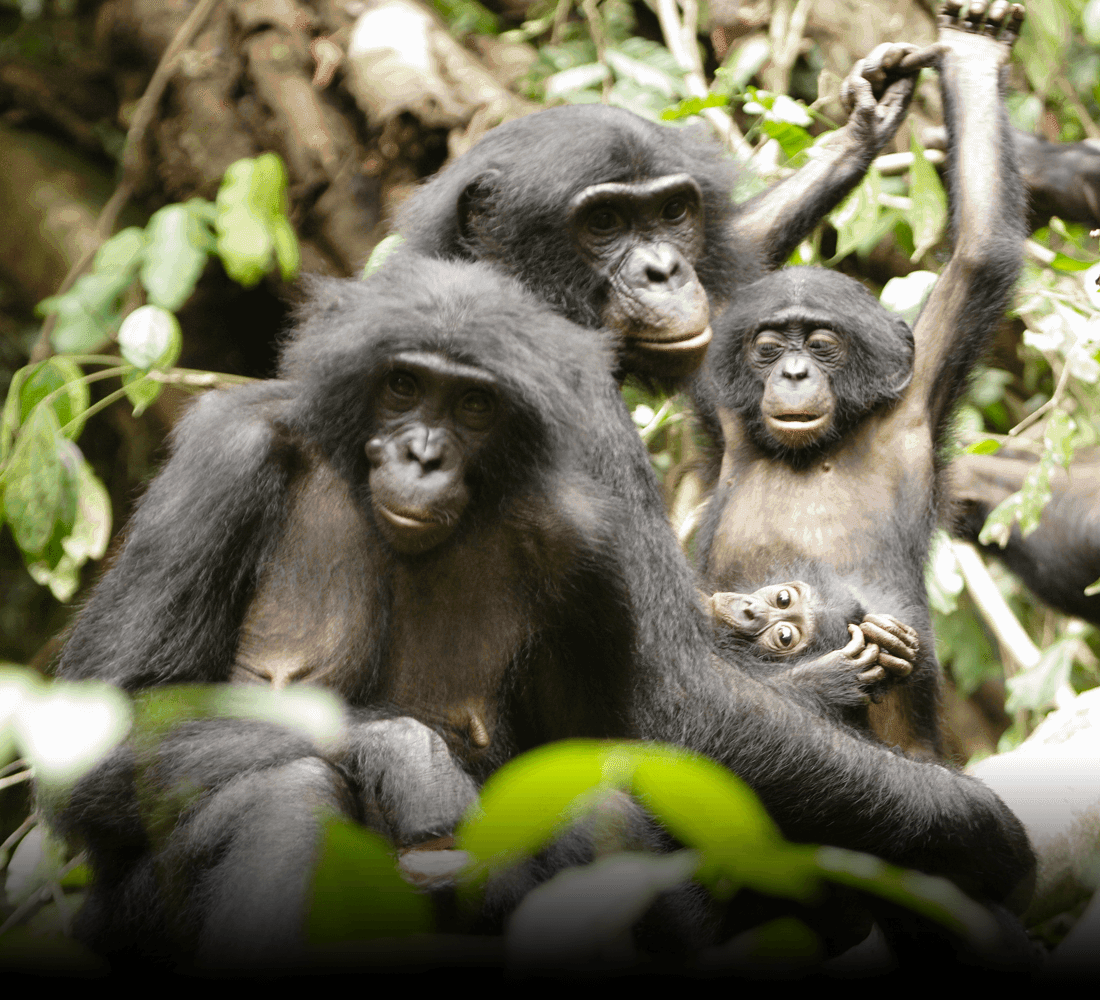
Photo by Yasuko Tashiro
What we do
All components of SCI's work combine to produce data that inform organizations that implement conservation strategies for Salonga National Park.
Wildlife monitoring and ecological research

-
Salonga is an immense wilderness without roads or infrastructure, and its great size makes it difficult for ecoguards to monitor illegal activities throughout. Information that pinpoints animal concentrations and poaching hotspots is critical. This is why SCI’s wildlife surveys are so important – to help guide strategic action.
SCI specializes in the demanding work of wildlife population surveys where we systematically count animals or animal signs in a specific region of the park.
Surveys reveal
The distribution and densities of animals within an area.
The threats they face.
The habitat where animals occur.
Where and when park managers should intervene.
Changes in animal density or distribution since previous surveys.
Whether previous interventions have worked.
Environmental factors that may influence animal density or distribution.
Based on scientific methods, our frontline reports provide park managers with essential information on animal distribution, abundance, habitat, and threats. Monitoring changes in animal densities and population size over time can serve as a warning system. If surveys detect a shift in animal distribution or an increase in poaching signs in a region, managers can target a response before an irreversible loss occurs.
SCI’s intensive surveys focus primarily on Salonga’s flagship species, bonobos and forest elephants, although other species are recorded. Surveys identify animal conservation zones. Likewise, SCI surveys locate problem areas. As survey teams scan the forest for animal signs, they also record the number and location of hunting signs like snares, shotgun shells, and illegal camps.
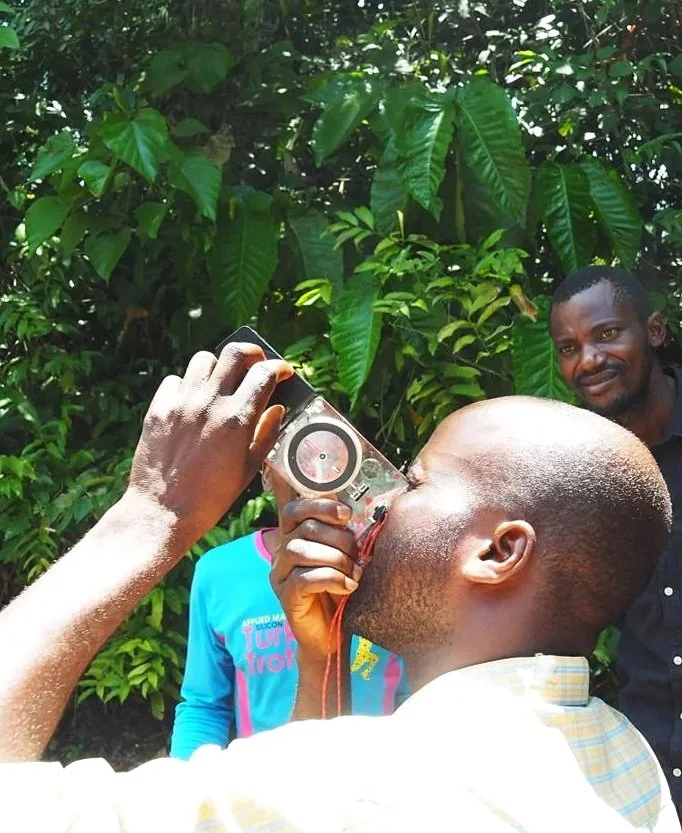
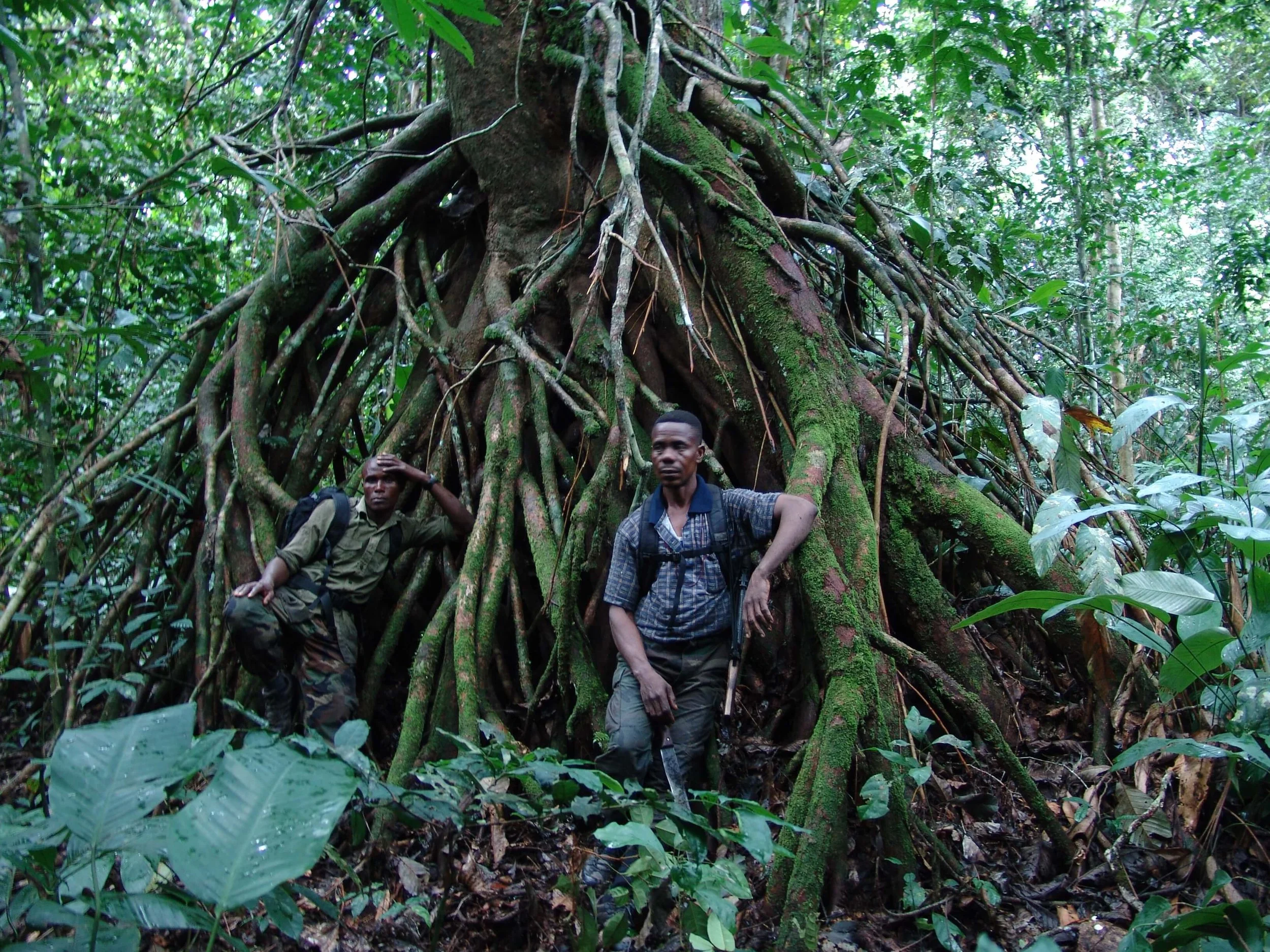
Censusing animals requires special skills, scientific rigor, and physical stamina. To survey a forest block of 3,000 km², SCI’s Congolese researchers might trek as far as 700 km (435 miles) in six months through dense rainforest.
Since 2020, SCI has re-surveyed 4 major forest blocks covering about 30% of the park’s area to assess whether changes have occurred in the eight to nine year interval since these blocks were previously surveyed.
SCI shares survey data and results with Salonga’s park management unit, formed by ICCN/WWF co-managers, who in turn devises conservation strategies based on SCI data and other intelligence.
-
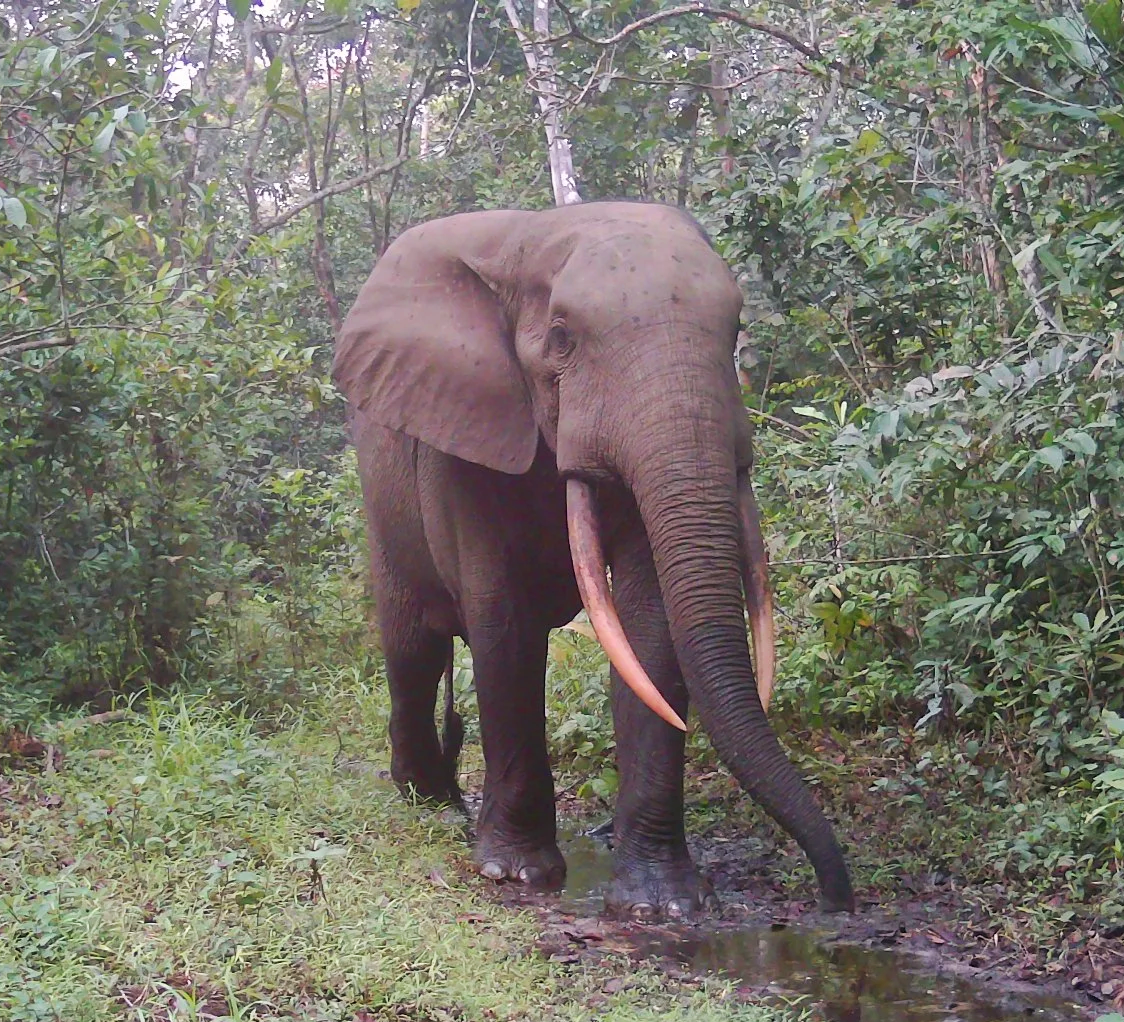
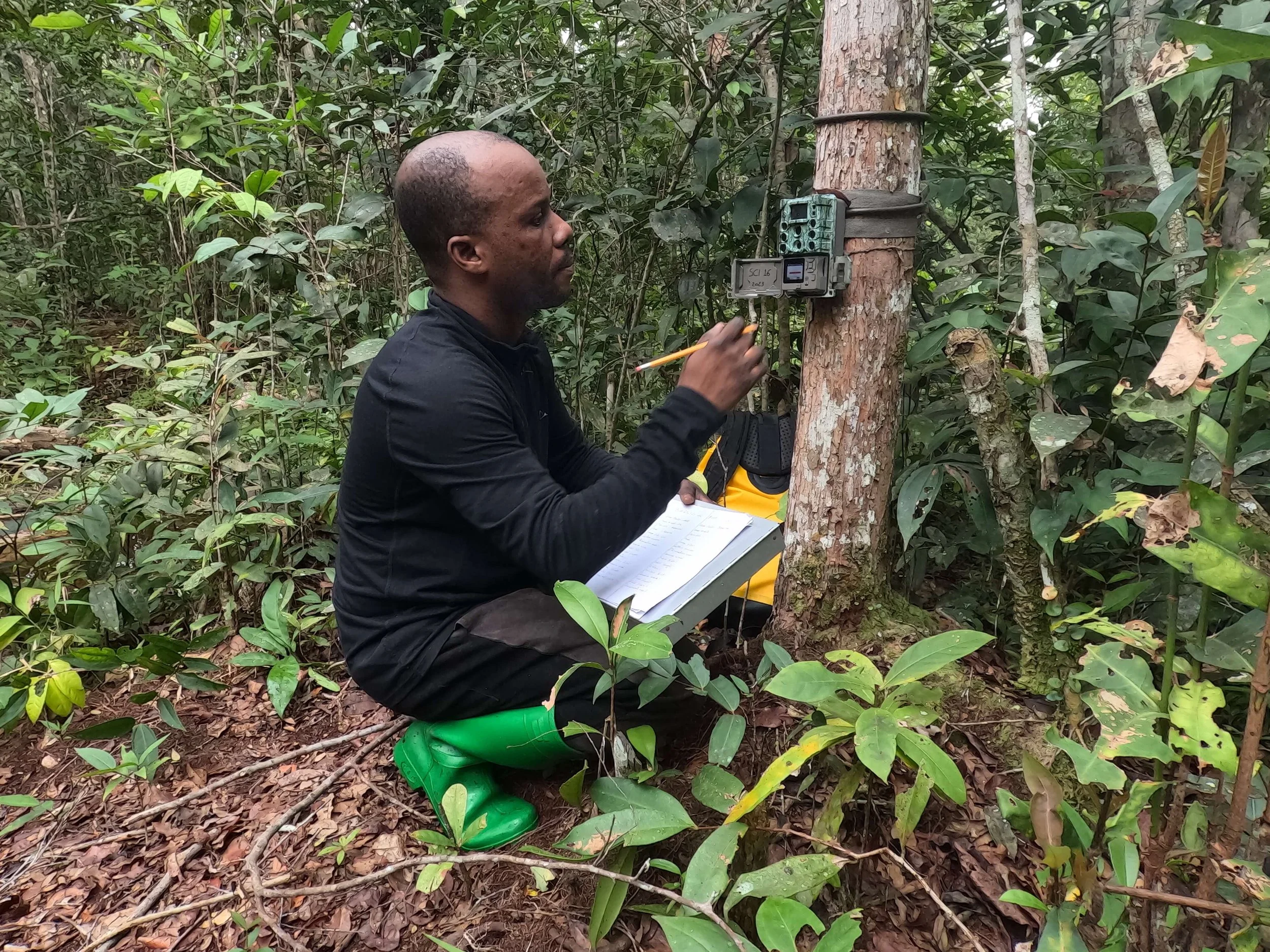
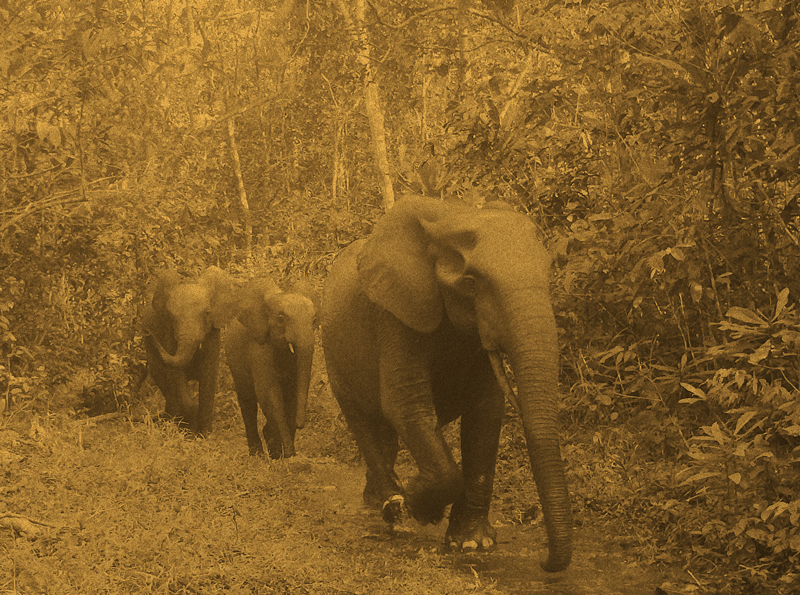
Bonobos are just one thread in Salonga's intricate ecology. We also track forest elephants as they congregate in a forest clearing called a bai. Bais, locally called botoka ndjoku, are an important habitat feature of Salonga that play a vital role in elephant socialization and behavioral ecology. Cameras placed on elephant trails and in the bai proper yield insight into the time when elephants visit the bai, relative congregation size, demographic characteristics, group size and composition.
SCI supports a long-term bai monitoring project that uses motion-heat detecting trail cameras to record the presence of elephants. We have amassed over 500,000 images since 2018.
Constant monitoring reveals changes in elephant habits and bai use and thereby informs park managers when disturbances occur.
-
SCI engages in ecological research that supports wildlife surveys and population monitoring. Studies such as bonobo nest longevity and elephant dung decay help refine the accuracy of bonobo and elephant population size.
For 11 years, SCI has kept records on daily rainfall and minimum-maximum temperature at the Etate Research Station. These weather data mark seasonal changes that could influence ecological trends. SCI recently obtained an automated ATMOS weather station (owned by the University of Ghent) that will expand the accuracy and scope of SCI and Salonga’s meteorological monitoring.

Supporting Etate Research Station

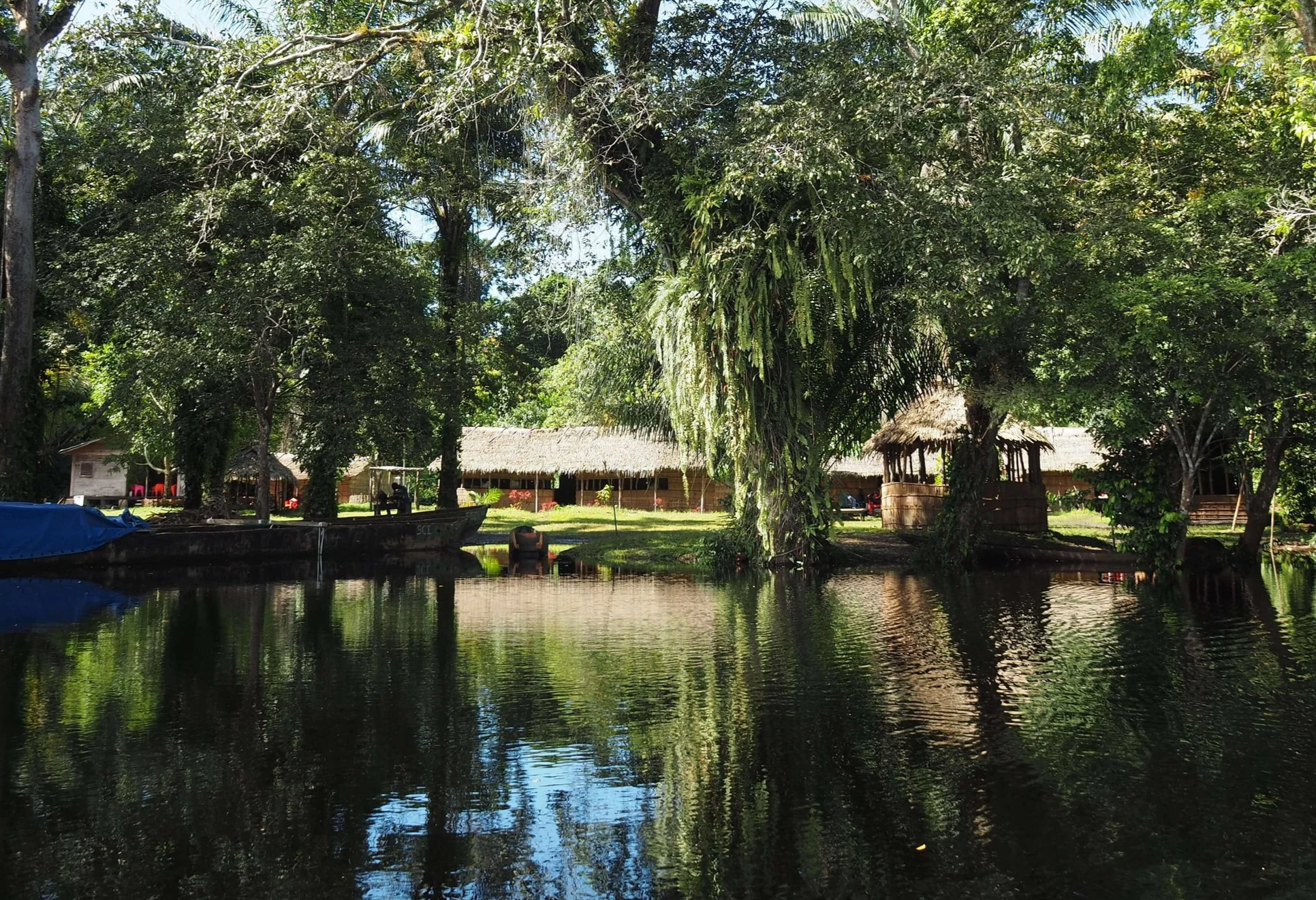
The Etate (Et-TAH-Tay) Research Station is SCI’s base of operations in the Salonga National Park.
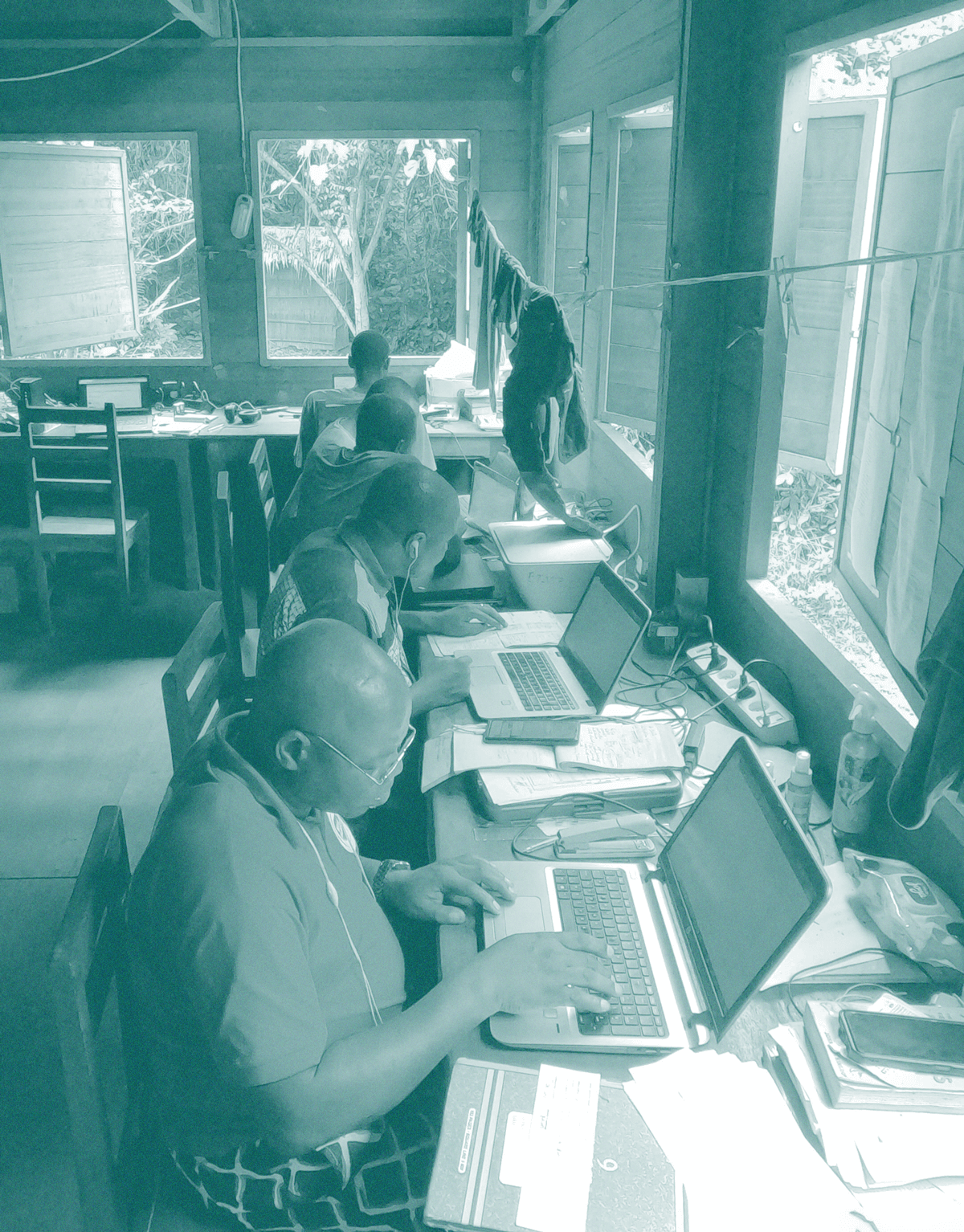
Located on the Salonga River in the North Block of the park, Etate is a converted poaching camp discovered in 1997. Etate houses a research team and the amenities of a research station – one of a few in the DRC. The site has grown in the last decade to accommodate 13 resident staff who conduct field work year-round. Etate offers two permanent houses, internet, and has an extensive inventory of field, research, and transportation equipment – all staples of an independently functioning field station.
However, Etate is more than a collection of buildings and people; it is a natural laboratory. The presence of Etate has deterred poachers from invading the region for nearly 30 years, making it a safe zone for Etate’s wildlife.
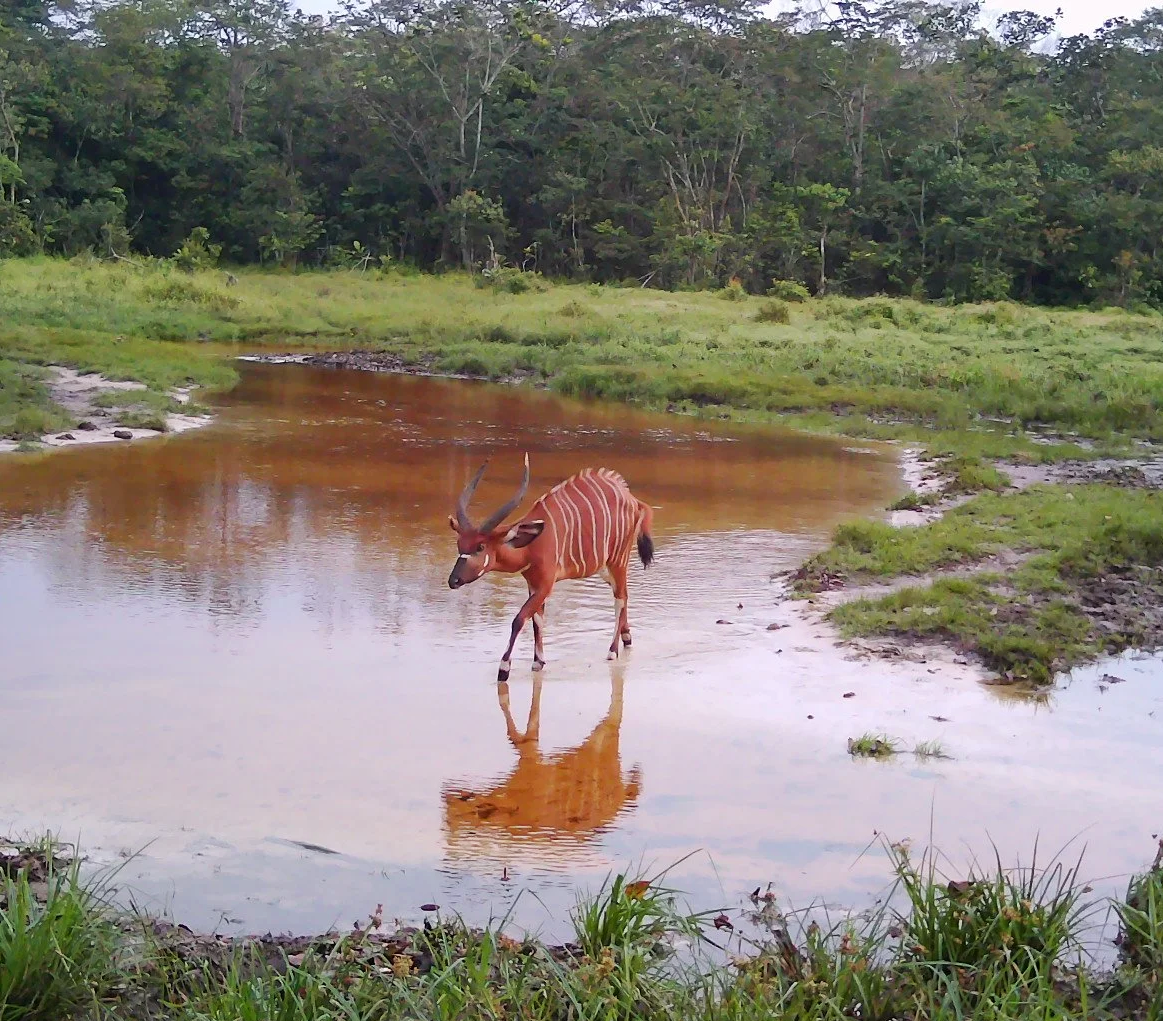
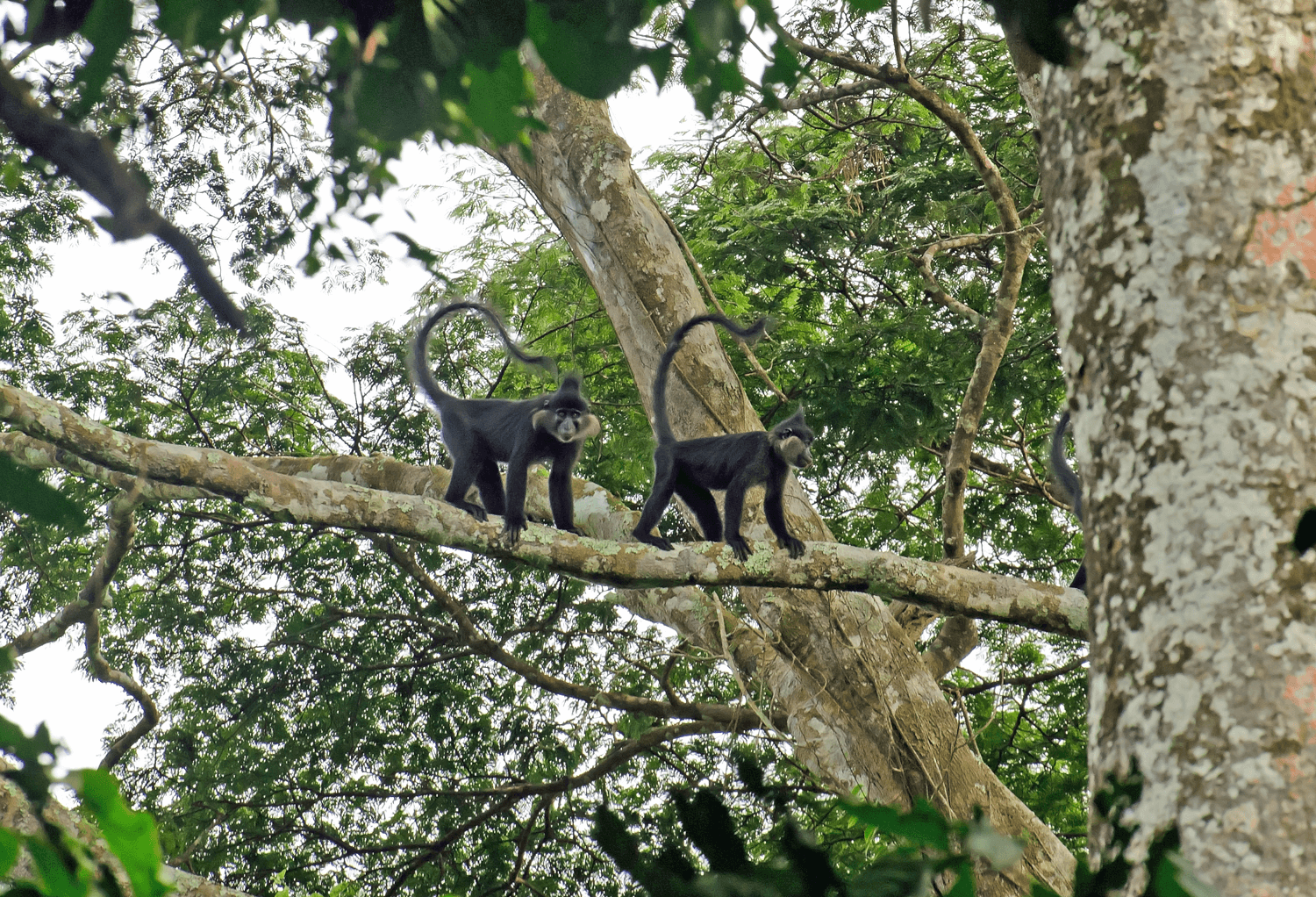
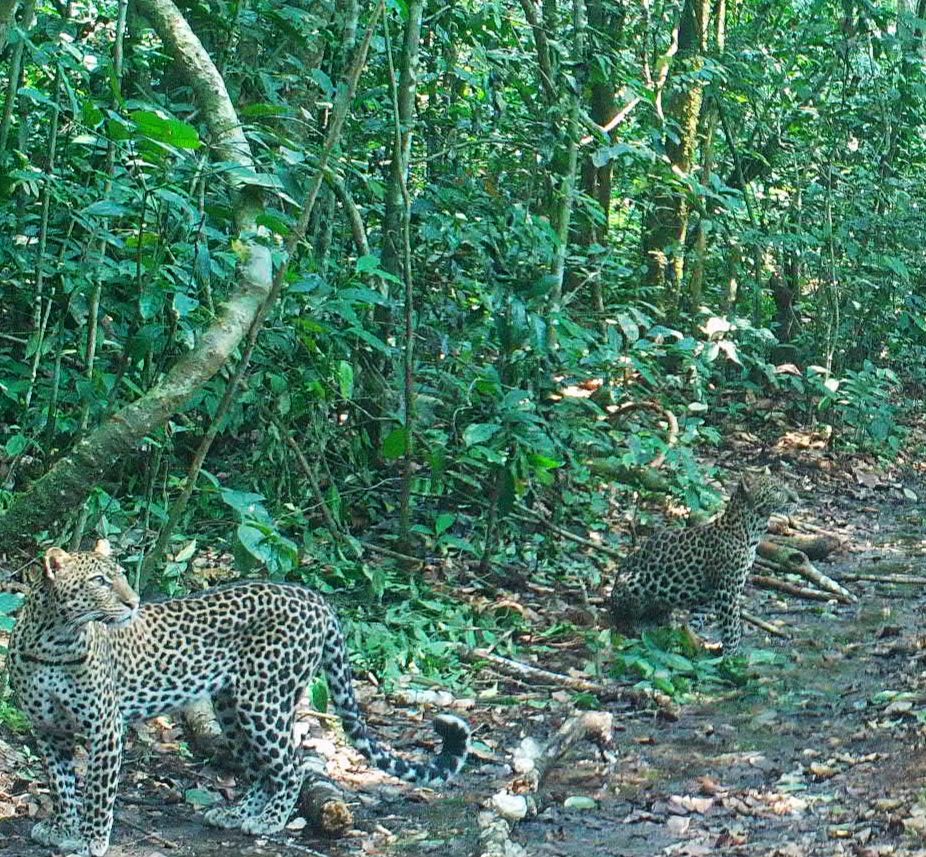
The lands surrounding Etate (1,000 km²), shelter about 800 bonobos, one of the higher bonobo densities observed in the park, and 50 - 100 forest elephants as well as an impressive array of other species like leopard, forest buffalo, seven species of monkeys, giant pangolin, Congo Peafowl, bongo and sitatunga, and at least one hippopotamus.
Wildlife at Etate is not habituated to humans or altered by the impacts of poaching.
Etate holds SCI’s promise for expanded future collaborations and internships for Congolese masters/PhD students to study Salonga’s wildlife in a natural state. Etate is a model that we hope to reproduce in other areas of the park.
Community support

While surveys drive urgent action today, SCI’s community engagement prepares for the inevitability that the long-term survival of Salonga rests on the interconnectedness of local people with the park.
Built over 25 years, Etate depends on the long-standing relationship with local communities .
SCI strengthens community ties with local neighbors in several ways: educational support, guaranteed market, and employment.
SCI provides help to four elementary schools (~400 students) that receive no state support because they are geographically isolated from larger population centers. SCI supplies teacher stipends, books and materials.
The program, initiated in 2004, has come full circle: the first children educated in the village schools now serve as village leaders.
Additionally, SCI supports two adult literacy classes in neighboring communities (120 students).
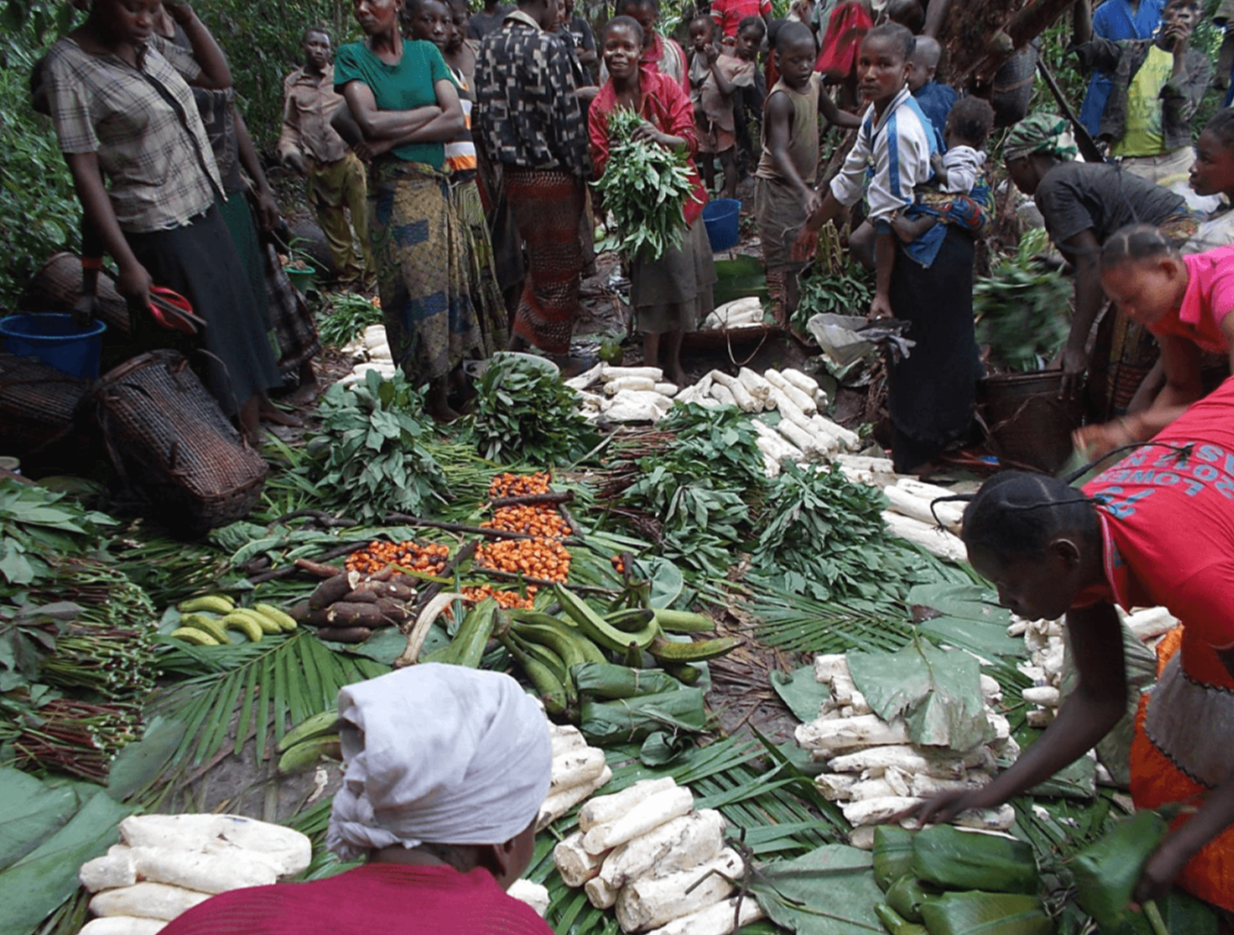
The villages and SCI established a guaranteed market whereby Etate purchases food for its residents at a fixed price. The market generates more than $10,000 in annual revenue for local farming families, and Etate gets fresh, nutritious fruits, vegetables and fish.
Etate needs field staff - people skilled in forest work who can support field research. About half of Etate’s staff come from neighboring communities.
Through economic, educational, and vocational empowerment, communities can better help steward the place they call home.